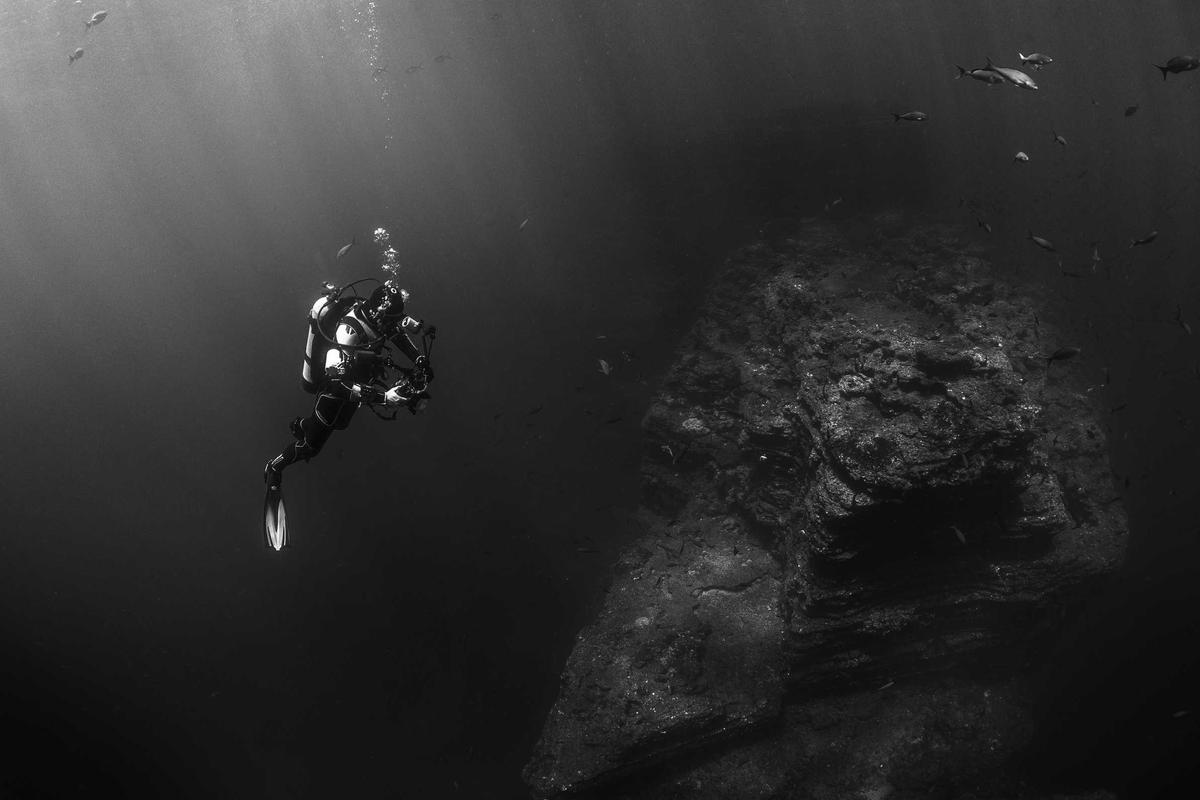
Another British tourist has died in a paragliding accident in Spain, and the Foreign Office, ever diligent in its role as national nanny, has issued a safety alert for adventure tourists. Forgive me if I fail to muster the requisite outrage. We have become a nation of thrill-seekers, forever chasing the next adrenaline fix, as though the quiet dignity of a seaside stroll were beneath us. The victim, a middle-aged man, took to the skies over Alicante, only to plummet to his death when his chute failed. His family now grieves, and we are meant to nod sagely and issue warnings about checking equipment and weather conditions. But let us be honest: this was not a tragic accident. It was the logical conclusion of a culture that worships risk as virtue.
We live in an era of intellectual decadence, a soft decline that mirrors the late Roman Empire. The Romans frittered away their evenings on bread and circuses; we fritter ours on extreme sports and Instagrammable adventures. Paragliding, bungee jumping, wing-suit flying: these are not pursuits of the brave but of the bored. They are the pastimes of a society that has forgotten what real courage looks like. Real courage is staying in a failing marriage for the sake of your children. Real courage is working a thankless job to put food on the table. Real courage is enduring the mundane. But no, we prefer to strap ourselves to a bit of nylon and hurl ourselves off a cliff, because the slow decay of our civilisation is too tedious to bear.
Consider the historical parallels. In Victorian Britain, men died in coal mines and factories, not for thrills but for survival. Their deaths were grim and unglamorous, and we rightly mourned them as casualties of industry. Today, we die for fun, and we call it a tragedy when the odds catch up. The Foreign Office’s safety alert is a gesture of bureaucratic helplessness: it warns but cannot protect. Nor should it. We have become a nation of children, demanding that the state bubble-wrap every experience. Do not paraglide in strong winds, they say. Do not swim after drinking. Do not walk alone at night. Each warning chips away at our capacity for judgment, until we are left with nothing but a list of prohibitions.
Let us be clear: I do not celebrate the man’s death. He may have been a devoted father, a loyal friend, a generous soul. But his demise is a symptom of a wider malady, a cultural sickness that equates risk with living. We have forgotten that the most dangerous thing you can do is live without purpose. The ancient Stoics understood this: they sought not to eliminate danger but to master their fear of it. Today, we embrace danger itself as a god, bowing before the altar of adrenaline. And when our offerings fail, we cry out for the state to save us.
The Foreign Office’s alert is a waste of ink and bandwidth. Every paraglider knows the risks. They fly because they choose to, because the possibility of death is part of the allure. To warn them is to insult their intelligence, to treat grown adults as toddlers. If we truly wish to reduce accidents, we should ban paragliding outright. But we won’t, because we are addicted to the illusion of freedom that comes with buying a ticket to a dangerous game. And so the deaths will continue, each one met with a ritual of solemn warnings and social media tributes, until the next headline fades.
I propose a better use of the taxpayer’s money: let the Foreign Office issue a different alert, one that says: “If you insist on doing stupid things in foreign countries, do not expect Her Majesty’s Government to wipe your nose when you fail.” But that would be too honest, too British. We prefer to weep quietly into our tea while booking our next holiday. After all, who wants to die of boredom?