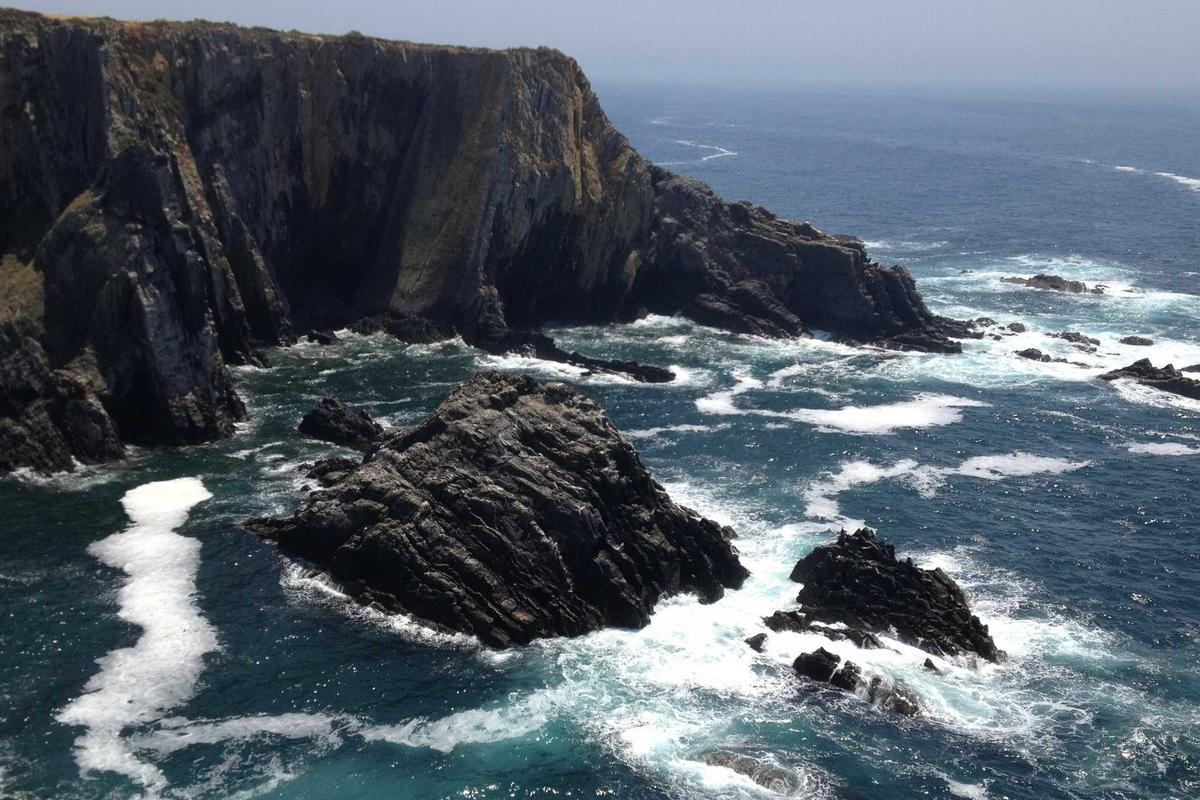
On a grey Norfolk cliffside, where sea winds erode the land inch by inch, a team of British archaeologists has uncovered what they are calling a ‘national treasure’ – a five-million-year-old whale graveyard. The site, eroding from the Pliocene epoch sediments, contains at least 40 preserved whale skeletons, some with intact skulls measuring over two metres. For the scientists who can see both the wonder and the warning in this discovery, it is a moment of breathtaking clarity.
These giants of the deep, frozen in time, challenge our understanding of mass strandings, climate change, and the delicate balance of marine ecosystems. The find brings to mind the ethical quandaries of our own era: what traces will we leave behind? Most of the whales appear to have died in a single catastrophic event, likely a severe storm or a toxic algal bloom, offering an unparalleled fossilised record.
Dr. Alison Fairfax, the lead palaeontologist, told me: ‘This is the Rosetta Stone for cetacean evolution and climate-driven extinction events. It is humbling to stand where whales once gasped their last.
’ The site could fuel decades of research, but the urgency of excavation is paramount – the sea is already reclaiming its secrets. Looking at these fossils, I see a mirror held up to humanity. We are witnessing a mass extinction of our own making, but the Earth’s code writes its own corrections.
The discovery is not merely a treasure; it is a stark reminder that resilience in the natural world is both brutal and beautiful. The government has announced emergency funding, and the site will be protected. Yet, the deeper excavation will be technological: DNA sequencing, climate modelling, synaptic imaging of sediments.
This is the future of archaeology, where code meets bone. And as with any new algorithm that promises to reveal the past, we must handle it carefully. The story of the Norfolk whale graveyard is not just a tale of giants – it is a call to witness the transient nature of dominance.
The user experience of society today is the same as it was for these leviathans: adapt or face the primordial silence.