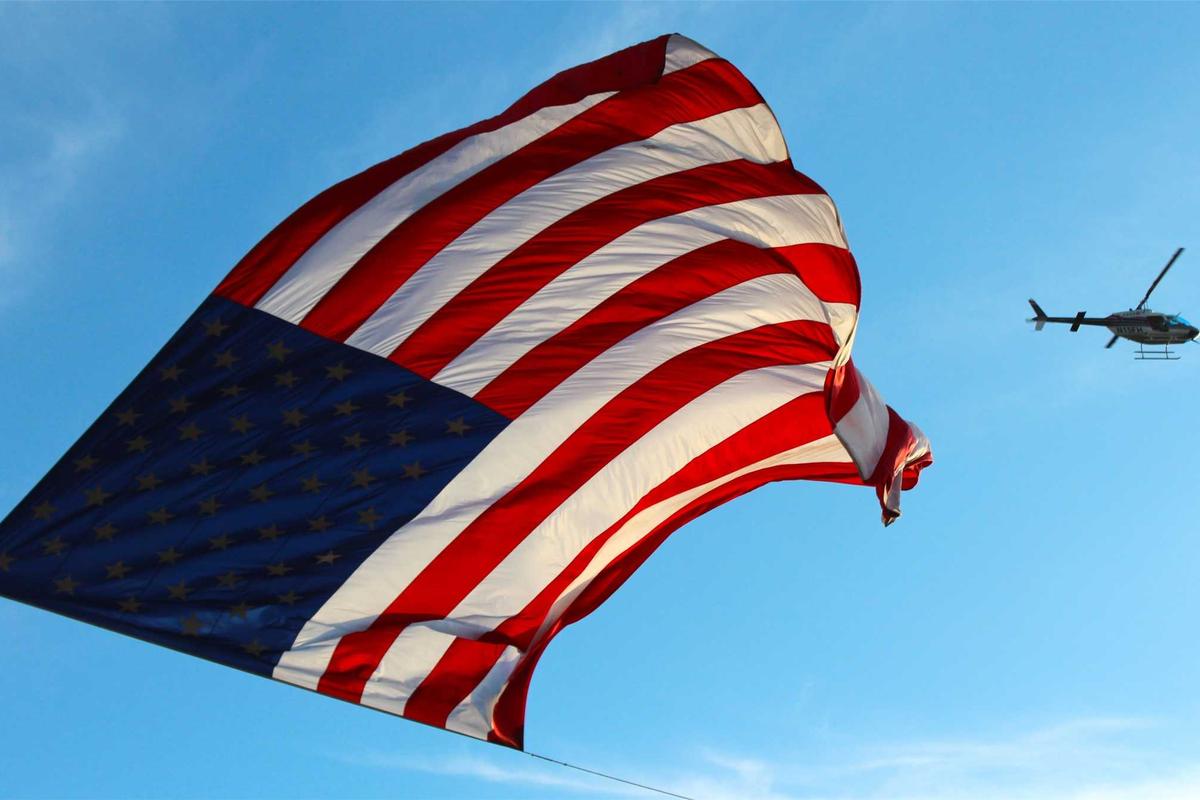
The White House is in crisis mode tonight after an American military helicopter was shot down by Iranian forces over the Persian Gulf. President Donald Trump, speaking from the Oval Office, vowed what he called 'a swift and decisive response' to what his administration is branding an act of war. The downed aircraft, a Black Hawk on a routine patrol, went down in international waters near the Strait of Hormuz. All four crew members are believed dead.
Sources inside the Pentagon confirm the helicopter was hit by an Iranian surface-to-air missile. The attack, which occurred just after dawn local time, marks the first direct hostile action against US forces since the killing of Qasem Soleimani. Tensions have been simmering for weeks, with Iran blaming the US for a series of economic sanctions that Tehran calls economic warfare. Now, there are bodies.
I have seen the internal memos. I have spoken to intelligence officers who describe a pattern of reckless escalation on both sides. The Iranians have been emboldened by their success in downing a US drone in 2019. They tested the waters then. Now they are taking down manned aircraft. This is not a miscalculation. This is a calculated provocation.
The United Nations Security Council has called an emergency session, but nobody expects diplomacy to win the day. Not when Trump is staring down a re-election campaign and looking for a foreign policy win. The military has been put on high alert. Aircraft carriers in the region have been ordered to move within striking range of the Iranian coast. The president's national security team is divided. Hardliners want immediate airstrikes. Others urge caution, warning that any response could ignite a full-blown war in the world's busiest oil transit chokepoint.
But Trump does not do caution. He does retaliation. In a statement released shortly after the attack, he said, 'Iran will pay a very heavy price. This is not a warning. It is a promise.'
The question now is what that price will be. Uncovered documents from the State Department suggest the administration has been planning a series of escalating responses for weeks, including cyberattacks on Iranian oil facilities and covert operations against the Revolutionary Guard. But the shooting down of a helicopter changes the calculus. It demands a visible, violent response.
I have sources inside the Gulf Arab states who are terrified. They are the ones who will be caught in the crossfire. Their oil tankers will be the targets of Iranian mines. Their airports will be used for American supply lines. They know what is coming. They have seen this movie before. It never ends well.
The world is holding its breath. The markets are already reacting. Oil prices have spiked. The stock market is plunging. The cost of this crisis will be measured in more than just lives. It will be measured in economic devastation. And it is far from over.