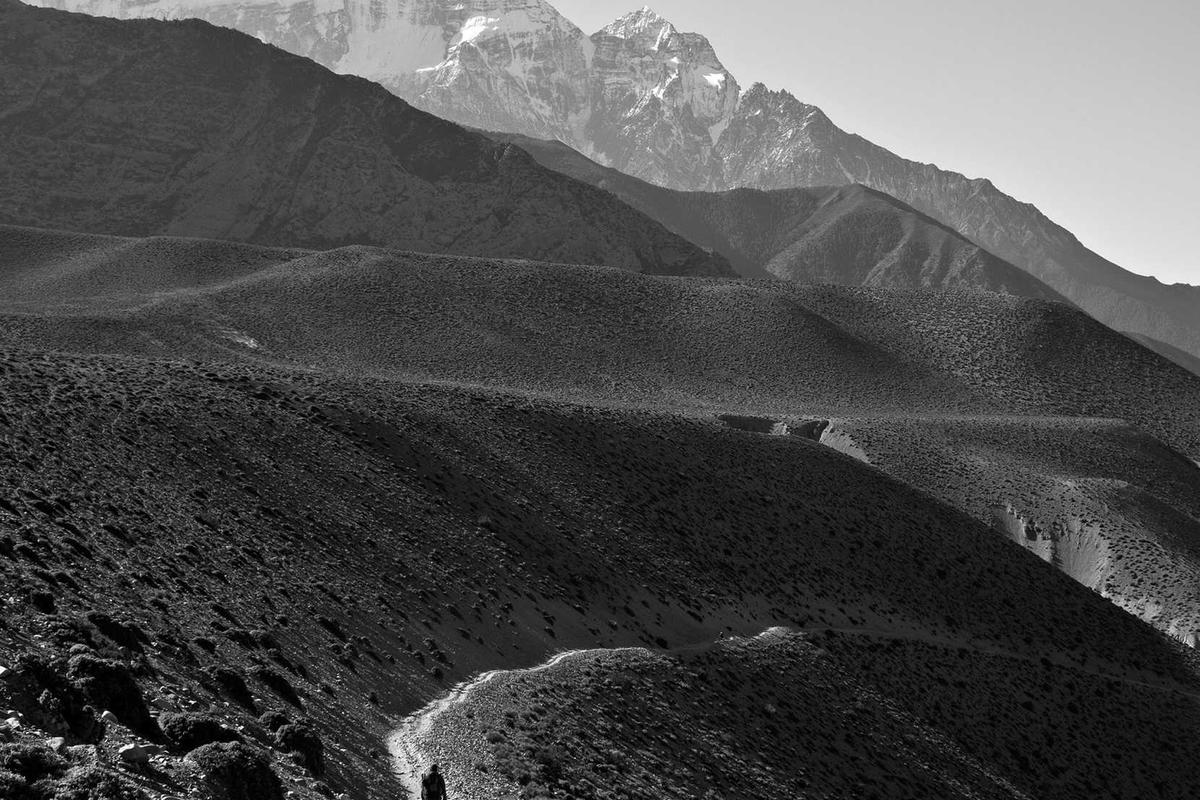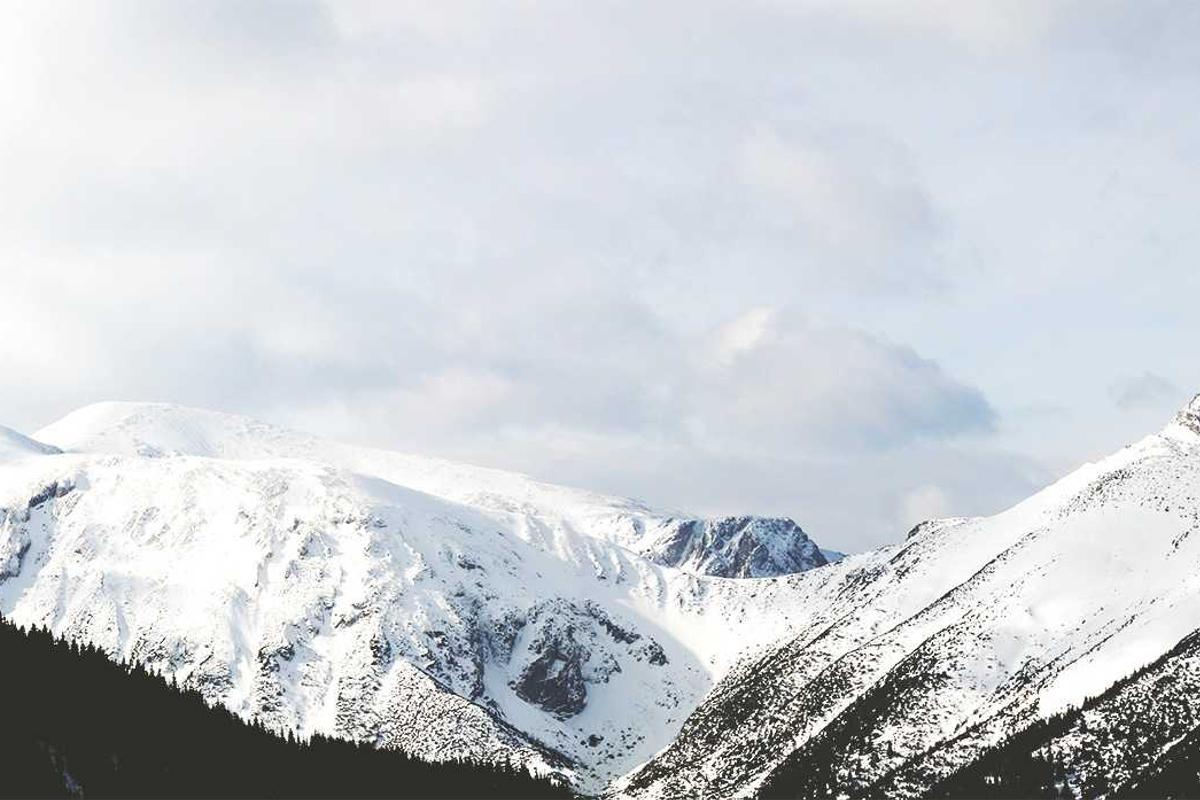
The recent harrowing tale of a British guide’s survival on Everest has cast a long shadow over the burgeoning mountain tourism industry. As the sun rose on the world’s highest peak, it illuminated not just the triumph of human endurance, but the precarious nature of an industry built on ambition and altitude. The guide, who was left for dead after a sudden storm, crawled to safety with severe frostbite. His story is a stark reminder of the risks faced by those who lead Britons up the mountain, and the mounting pressure on firms to prioritise safety over summits.
The incident has sent shockwaves through the community of British mountaineering firms. These companies, which cater to a growing number of thrill-seekers seeking to conquer Everest, now face scrutiny over their safety protocols. The guide’s survival, while miraculous, underscores a troubling trend: the commercialisation of a treacherous adventure. As the number of climbers swells, so too does the strain on support systems. Local guides are often underpaid and overworked, while British operators compete for clients in a race to the top.
The cultural shift here is palpable. Once the domain of elite explorers, Everest has become a bucket-list item for the affluent class. Social media fuels the demand for summit selfies, while the human cost fades into the background. The guide’s ordeal highlights the psychological toll on those who shoulder the risks. For many, the climb is a job, not a passion. Their survival depends on the decisions of firms that may prioritise profit over prudence.
This incident also reveals class dynamics within the industry. British climbers, often from privileged backgrounds, pay tens of thousands for guided expeditions. Meanwhile, the Nepalese guides who support them earn a fraction of that amount. The disparity is stark, and the tragedy at high altitude exposes the fragility of this arrangement. As one surviving guide put it, “We carry the weight of their dreams, but we carry the risk too.”
The human element is impossible to ignore. Beyond the statistics of summit success rates, there are families waiting at base camp, and guides who risk their lives for a living. The British mountain tourism firms now face a reckoning. Will they tighten safety standards, increase insurance cover, and provide better support for local staff? Or will the allure of profit continue to blur the lines between adventure and danger?
The answer may determine the future of Himalayan tourism. For now, the miracle survival serves as a cautionary tale. It is a story not just of one man’s grit, but of an industry standing on a precipice. As the winds die down and the snow settles, the question remains: how many more close calls before the system cracks?