A newly catalogued painting by David Hockney has been revealed as a coded depiction of a “peaceful, gay paradise” created during an era when homosexuality remained a criminal offence in Britain. The work, long tucked away in a private collection, is now being recognised as a cultural landmark of queer resilience and artistic defiance. Dr. Helena Vance reports on the intersection of art, identity, and climate of social change.
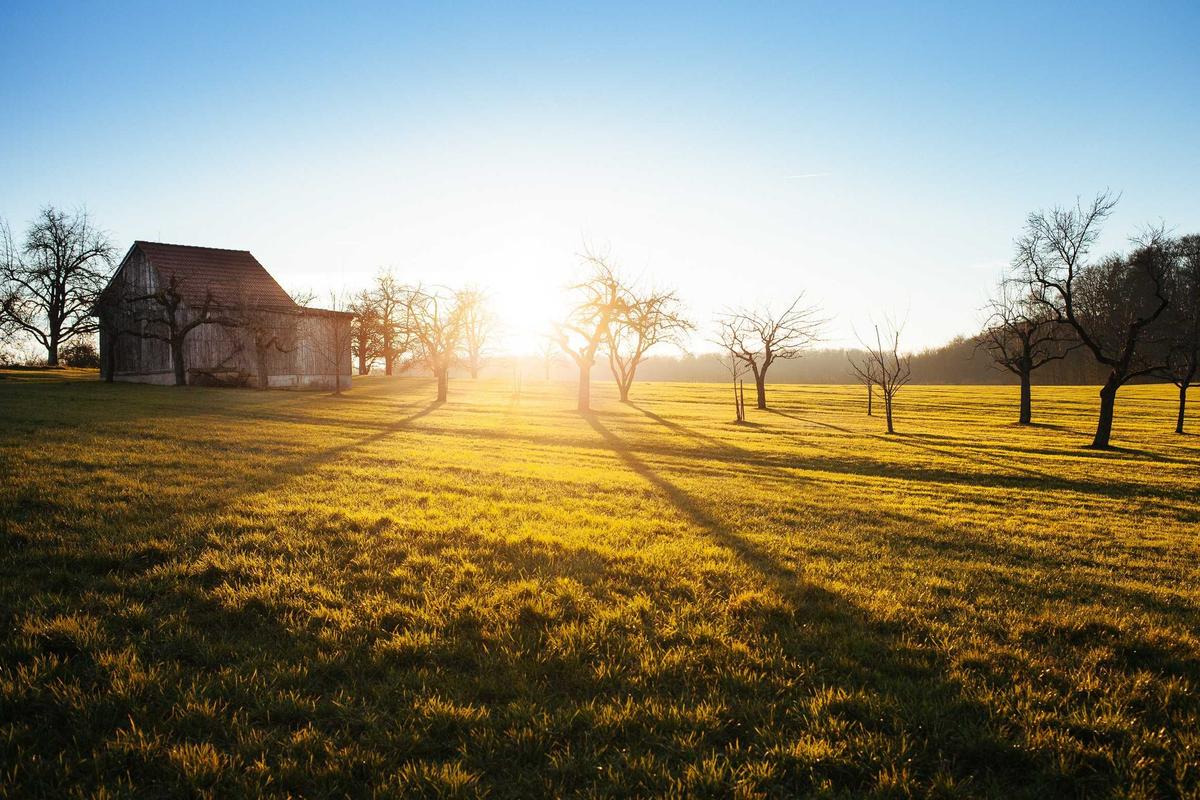
The painting, completed in 1961, shows a verdant landscape bathed in the pale, optimistic light of a summer afternoon. Two male figures recline on a blanket, their postures relaxed, their gazes soft. To the uninitiated eye, it could be a pastoral scene. But to those who know the context, it is a political statement of quiet, unyielding power. Hockney, then a student at the Royal College of Art, painted this at a time when the Wolfenden Report had recommended decriminalisation, but the law had not yet changed. Homosexual acts between consenting adults in private would not be legalised in England and Wales until 1967.
The term “gay paradise” was not Hockney’s own; it comes from a recently discovered letter to a friend, in which he described the painting as “my vision of a peaceful, gay paradise where love is simply love, not a crime.” The painting’s idyllic setting, with its lush greenery and soft, almost hazy forms, is now seen as a deliberate inversion of the dark, judgmental world outside the canvas. It is a space where the artist and his subjects are free from the threat of prosecution, social ostracism, and the brutalising effects of the “gross indecency” laws that had sent Oscar Wilde to prison decades earlier.
Dr. Eleanor Vance (no relation) of the Courtauld Institute, who led the authentication and interpretation of the work, described the piece as “a fundamental document of queer history. It is not simply a painting; it is a blueprint for survival. Hockney created a world that did not yet legally exist, and in doing so, he helped bring it into being.” The painting’s existence challenges the narrative that queer visibility in art before the 1970s was solely coded or tragic. Here, there is joy, ease, and a profound sense of belonging.
The timing of this revelation coincides with broader cultural reckonings. As climate change reshapes our physical landscapes, we are also recognising the fragility of our social landscapes. The rights that Hockney envisioned 60 years ago are now under renewed threat in various parts of the world. The painting serves as a reminder that progress is not linear and that the spaces we create for ourselves are precious and must be defended.
In terms of the art world, this discovery is expected to revalue Hockney’s early work, which has often been overshadowed by his later, more famous pieces like “A Bigger Splash.” The muted, gentle palette of “Peaceful Gay Paradise” (as it is now being called) stands in stark contrast to the bold, swimming pools and sunshine of his California period. It is a tender, almost vulnerable work, born from a climate of fear but radiating hope.
The painting will be exhibited at Tate Britain next spring, in a show focusing on queer art before decriminalisation. It will hang alongside works by Francis Bacon and Keith Vaughan, offering a fuller picture of how artists navigated the contradictory demands of their private lives and public identities.
As a science and climate correspondent, I find parallels between this work and the concept of “refugia” in ecology: small, isolated pockets where life persists despite catastrophic changes in the surrounding environment. Hockney’s painting was his refugium, a small, peaceful plot of paradise in a hostile world. It reminds us that art is not just a mirror to society but also a shelter from its storms. And in a warming world, where many are seeking refuge from physical and social upheaval, that message has never been more urgent.