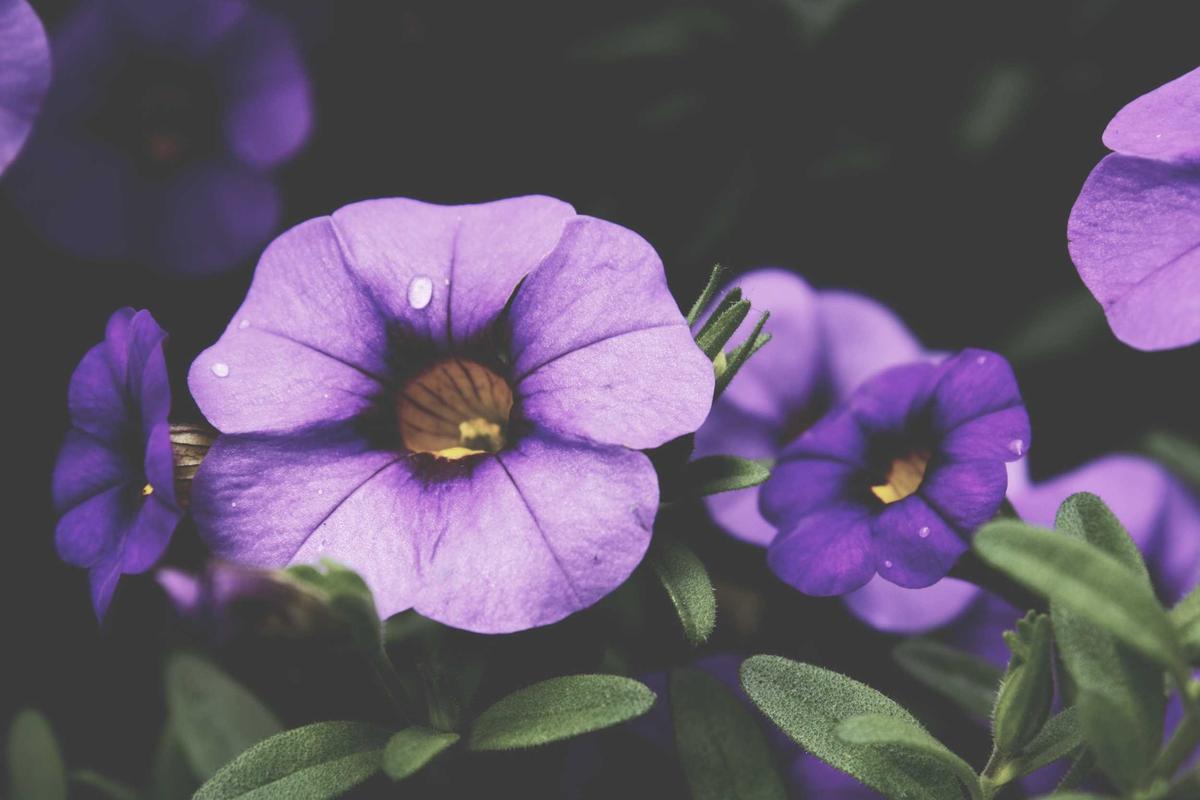
A new wave of British capital is flowing into India’s emerging ‘blue gold’ beverage sector, driven by the global demand for functional drinks and the country’s abundant supply of raw materials. The term ‘blue gold’ refers to beverages made from the Indian blue pea flower or butterfly pea flower, known for its antioxidant properties and natural colouring. Several UK-based investment firms have announced partnerships with Indian startups specialising in these products, marking a shift in soft power dynamics and trade patterns between the two nations.
According to sources within the Indian Ministry of Commerce, exports of blue pea flower-based beverages have grown by 240% year-on-year, with the UK accounting for nearly 40% of the overseas market. The largest British investor, London-based Serenity Capital, has committed £120 million to a joint venture with Hyderabad-based Flora Blends, aiming to establish processing facilities and distribution networks across India and the UK.
The surge in foreign interest comes as India seeks to diversify its agricultural exports beyond traditional commodities such as tea and coffee. The blue pea flower, historically used in Ayurvedic medicine and regional cuisine, is now being positioned as a premium ingredient for health-conscious consumers in Western markets. Trade negotiators view this as an opportunity to strengthen bilateral economic ties post-Brexit, with the UK‘s departure from the European Union creating new avenues for preferential trade agreements.
Critics, however, question the sustainability of this trend. Environmentalists point to the potential for over-cultivation of the flower, which could strain local water resources in drought-prone regions of Andhra Pradesh and Karnataka. Labour rights groups have also raised concerns about working conditions on large plantations, citing poor wages and lack of safety standards. In response, the Indian government has announced a regulatory framework to monitor the sector, including mandatory certification for organic and fair-trade practices.
The strategic implications extend beyond commerce. British high commissioner to India, Sir Philip Barton, described the investment as “a vote of confidence in India’s economic reforms and its potential to become a global hub for wellness products.” This aligns with broader geopolitical trends, where both nations are recalibrating their alliances in the Indo-Pacific region. China’s dominance in the global beverage supply chain has prompted Western countries to seek alternative sources. India, with its vast agricultural base and growing industrial capacity, is emerging as a key partner.
From a cultural standpoint, the blue gold phenomenon reflects a convergence of soft power and commercial interests. Indian traditions of herbal and floral infusions are being repackaged for an international audience, mirroring the success of matcha from Japan or yerba mate from South America. The London-based retailer Fortnum & Mason has already listed several Indian blue pea blends, and sales figures suggest strong consumer uptake.
Industry analysts project the market could be worth £2.5 billion by 2030, assuming regulatory frameworks remain stable and supply chains hold. The challenge for both governments will be to manage growth without exacerbating existing social and environmental vulnerabilities. For the UK, the investment represents a calculated bet on India’s long-term stability and its ability to integrate into global value chains. For India, the influx of British capital is a vindication of its policy to open the agricultural sector to foreign direct investment. The coming months will reveal whether this partnership can deliver on its promise of shared prosperity.