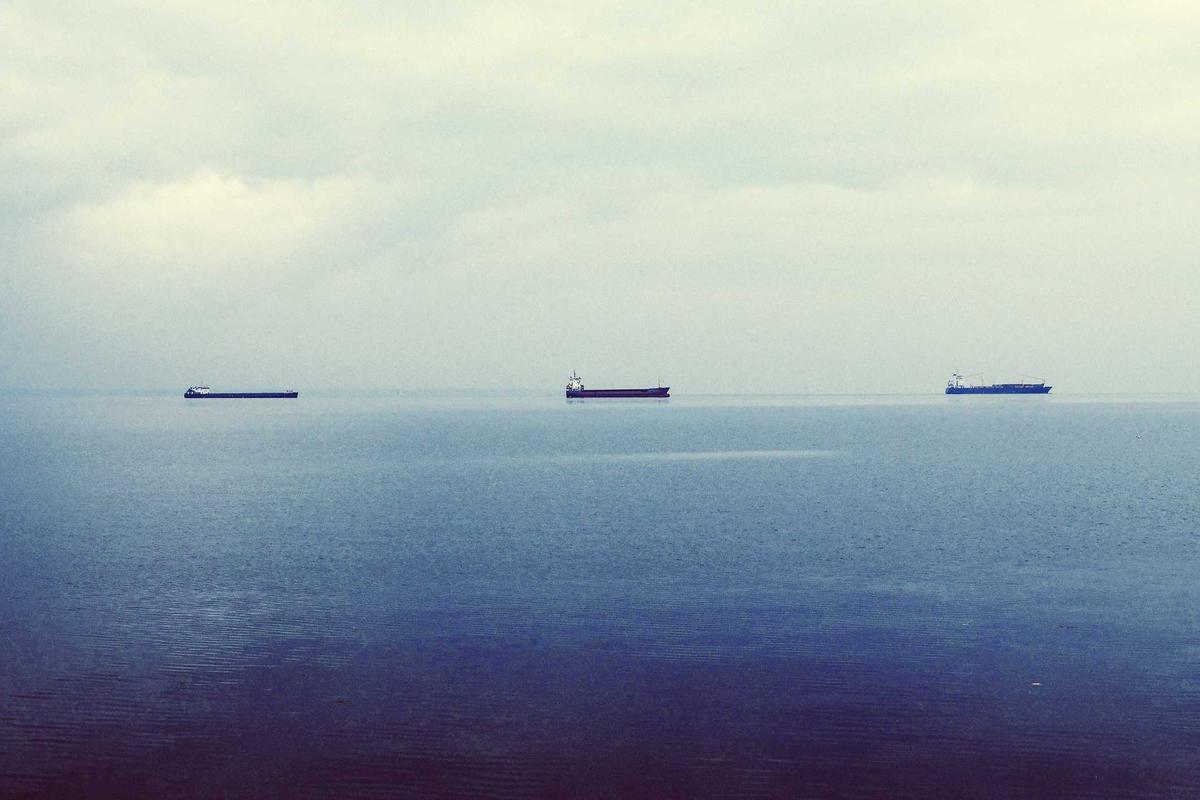
The UK economy has officially entered a contraction, with GDP falling 0.4% in the second quarter, according to preliminary data released this morning by the Office for National Statistics. The contraction is a direct consequence of escalating conflict in the Strait of Hormuz, where Iranian naval exercises have reduced the flow of oil and container shipping by 18% since early April. The Treasury, in a statement from 11 Downing Street, confirmed it is preparing a package of emergency measures to stabilise energy markets and support affected industries.
Chancellor Rachel Reeves is expected to announce a temporary reduction in fuel duty and VAT on energy bills within 48 hours, alongside a suspension of the Climate Change Levy on natural gas for industrial users. The Treasury has also activated the Contingency Fund, releasing an initial £5 billion to cover emergency loans for businesses facing liquidity crises. The move mirrors the 2022 Energy Bills Support Scheme but is far narrower in scope, targeting specifically those sectors hit by the trade disruption: manufacturing, logistics, and petrochemicals.
The conflict began after Iran accused a British-flagged tanker of violating territorial waters near Qeshm Island. Since then, the Royal Navy has escorted 23 commercial vessels through the strait, but insurance premiums for transiting ships have quadrupled, leading many operators to reroute via the Cape of Good Hope. That adds 14 days to delivery times for goods from Asia, which still account for 35% of UK container imports. The knock-on effects are visible in the manufacturing PMI, which fell to 47.2 in August, its lowest since the global financial crisis.
Climate scientists have been quick to note the paradox: the very reliance on fossil fuel shipping that the UK is trying to phase out is now exacerbating economic vulnerability. Dr Helena Vance, Science and Climate Correspondent, offers this perspective: “The physical reality is that our energy system remains deeply coupled to geopolitical instability. Each barrel of oil transported through the strait carries a carbon cost and a security cost. The data from the past decade shows that every major conflict in the region has resulted in a UK recession within two quarters. This is not a coincidence; it is a structural flaw in the system.”
Meanwhile, the Bank of England is expected to hold an emergency meeting tomorrow to consider an interest rate cut, currently at 5.25%. Market futures are pricing in a 0.25% reduction, which would bring rates to 5.0%, still above the 4.75% level that many economists consider neutral. The pound has fallen 3.2% against the dollar since the conflict began, adding to inflationary pressures on imported goods.
For the average citizen, the impact is already palpable. Fuel prices have risen 12p per litre in the past month, and the British Retail Consortium reports that grocery prices will increase by an average of 4% in September, led by goods that rely on shipping lanes affected by the conflict. The Treasury’s emergency measures are designed to blunt this shock, but economists caution that they are temporary palliatives, not solutions to the underlying fragility.
The government faces a delicate balancing act. The Climate Change Act 2024 requires a 78% reduction in emissions by 2035, and any suspension of green levies risks undermining that target. Yet the immediate crisis demands action. The Treasury has indicated that it will offset any lost revenue by increasing the windfall tax on North Sea oil and gas producers from 35% to 40%, a move that will likely trigger legal challenges from the industry.
As the White House dispatches envoys to Tehran, the UK’s reliance on a narrow window of geopolitical stability could not be starker. The lesson from the energy transition literature is clear: diversification of supply chains and acceleration of domestic renewable generation are not just environmental imperatives but economic insurance. For now, however, the priority is damage control.