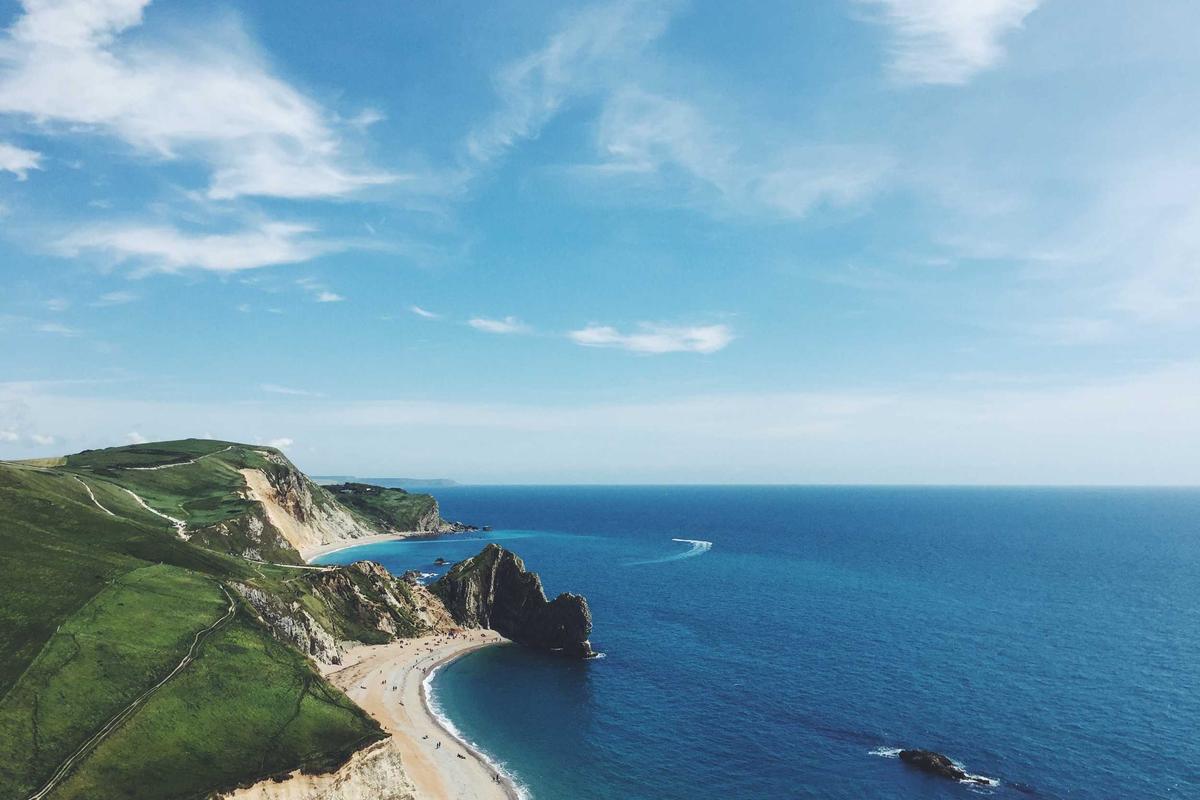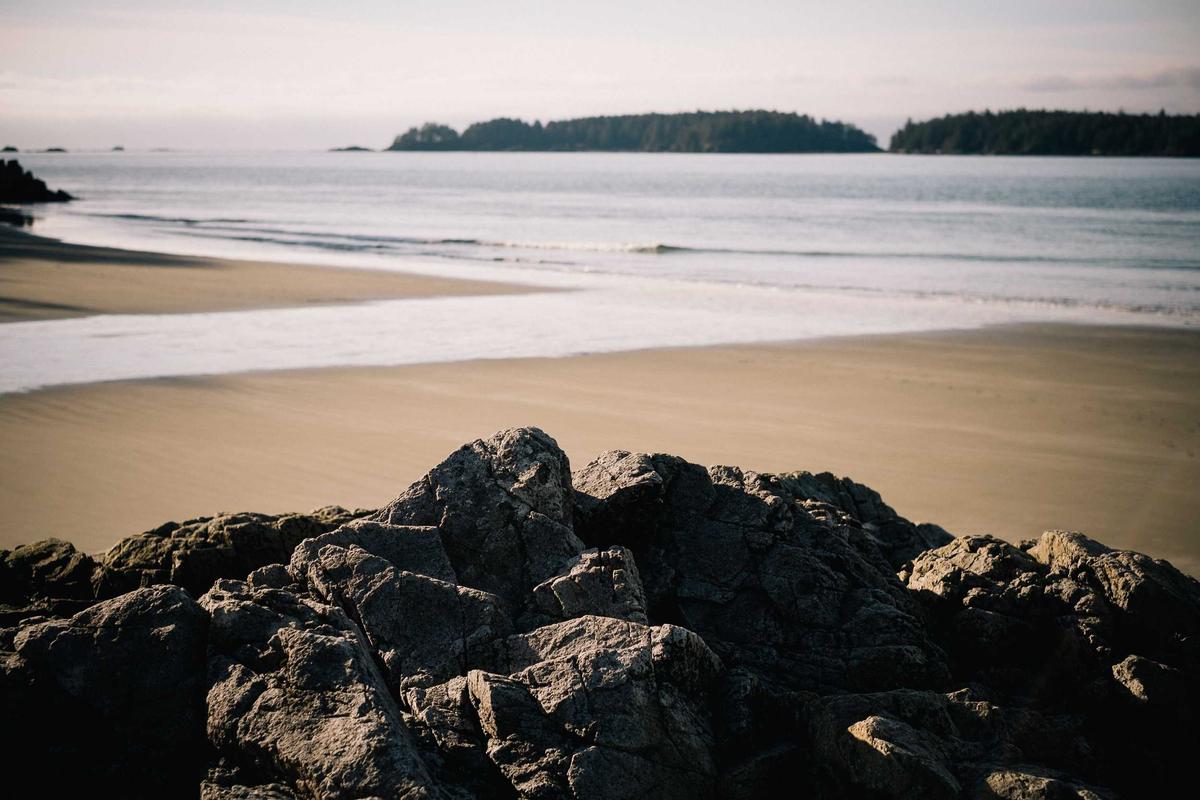
The sun-drenched dunes of Dakhla, a coastal city in Western Sahara, are being peddled as the next big thing in Moroccan tourism. Glossy brochures promise kite-surfing, camel treks, and 'authentic Saharan hospitality'. But for those of us who watch the bottom line, this is a classic exercise in balance sheet manipulation. Rabat is not selling holidays; it is laundering legitimacy.
Let us examine the numbers. Morocco has poured hundreds of millions of dollars into infrastructure: a new airport, a desalination plant, and a fishing port. The headline is 'economic development'. The reality is a strategic push to entrench sovereignty over a disputed territory. Every hotel built, every tourist dollar spent, is a brick in a wall of fait accompli.
The timing is no coincidence. Western Sahara’s phosphate reserves are vast, and the waters off its coast are rich in fish. This is not philanthropy; this is a resource grab dressed in a beach towel. The Polisario Front, the independence movement, cries foul, but their voice is drowned out by the clink of champagne glasses in Rabat's new seaside resorts.
What of the market's verdict? The Moroccan dirham has held steady, bond yields are stable. The international community, for now, is content to look the other way. The UN peacekeeping mission, MINURSO, is a paper tiger. The US recognised Moroccan sovereignty over Western Sahara in 2020, a quid pro quo for normalising ties with Israel. That deal was vintage Trump: a transactional land grab.
The real story is capital flight masquerading as investment. Moroccan banks are extending cheap credit to developers in Laayoune and Dakhla. The central bank is monetising this expansion, printing dirhams to subsidise a political project. Inflation in Morocco is ticking up, and the current account deficit is widening. This is a high-stakes gamble: either the territory becomes the cash cow Rabat envisions, or it becomes a sinkhole of bad debt.
For the savvy investor, this is a warning. The tourism push is a cyclically adjusted illusion. It ignores the simmering conflict. The Polisario has warned of renewed violence. A return to armed struggle would crater property values and strand airlines. The risk premium on Moroccan assets is too low.
Let me be clear: I have no brief for the Polisario or the Sahrawi Arab Democratic Republic. Their governance is opaque, their economy is a handout from Algeria. But markets hate uncertainty, and Western Sahara is a powder keg. The UN has been kicking this can down the road for decades. Morocco's charm offensive will not change that.
In the end, this is a story of fiscal recklessness. Rabat is spending big on a political vanity project, hoping tourism revenues will eventually plug the hole. It is a classic ponzi scheme: early investors get their returns, but the music stops when the next geopolitical shock hits. The Sahrawis, meanwhile, are left with a new airport, a bigger fishing port, and no seat at the table.
My advice: short Moroccan bonds. Buy gold. And book a holiday somewhere else.