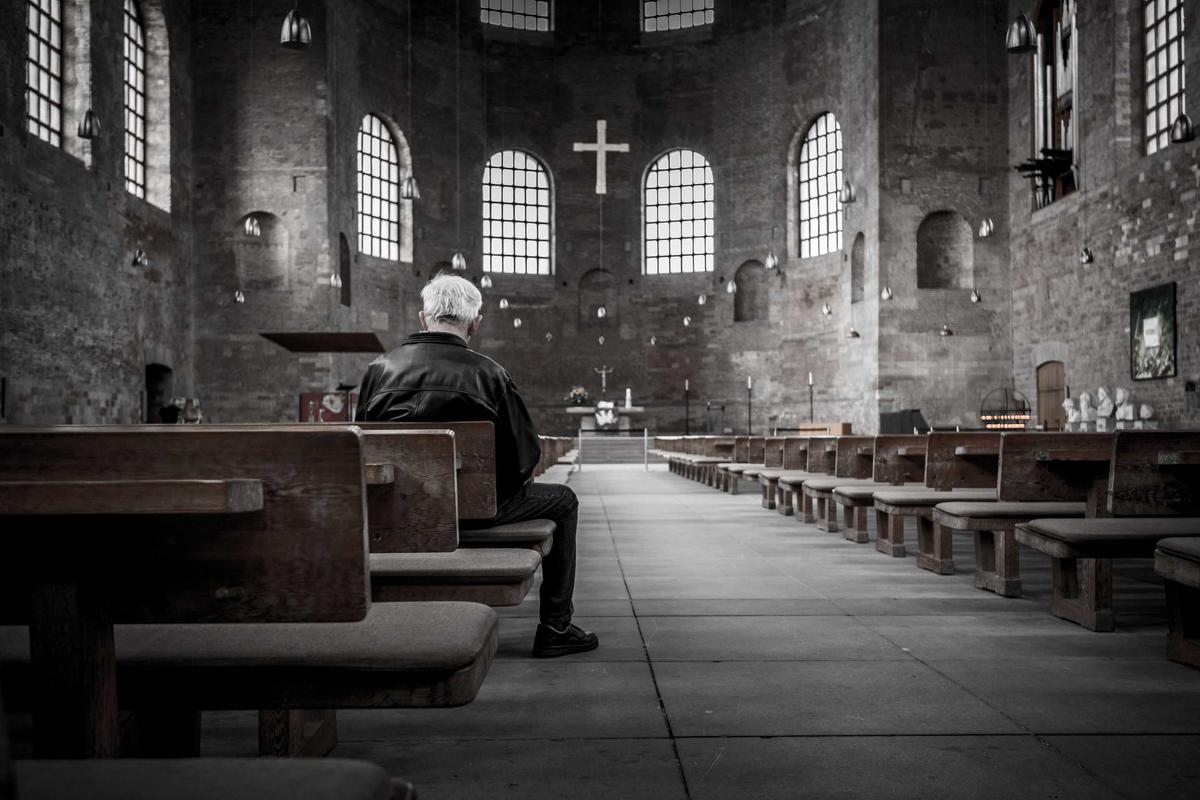
The night sky over Kyiv turned orange as fragments of a bygone era crumbled into ash. A volley of Russian missiles struck the Ukrainian capital in the early hours, killing at least 11 civilians and setting ablaze the historic St. Michael's Golden-Domed Cathedral, a jewel of Byzantine architecture dating back to the 12th century. The assault, which also damaged several residential buildings and a children's hospital, marks one of the most brazen attacks on cultural heritage since the invasion began.
Data from the Kyiv City Military Administration confirms that the cathedral's main dome, a UNESCO-protected structure, was entirely consumed by fire. Emergency services battled flames for hours, but the wooden iconostasis and priceless frescoes are feared lost. "This is not collateral damage. This is cultural genocide," said Olena Tkachenko, a conservationist at the National Museum of Ukrainian History. The cathedral had been a symbol of resilience, having been rebuilt after its destruction by Soviet authorities in the 1930s.
The missile types have been preliminarily identified as Kh-101 cruise missiles, launched from Russian strategic bombers over the Caspian Sea. The attack underscores Russia's willingness to escalate its campaign against civilian infrastructure and cultural landmarks, despite international condemnation. The United Nations Educational, Scientific and Cultural Organisation (UNESCO) has condemned the strike as a violation of the 1954 Hague Convention for the Protection of Cultural Property in the Event of Armed Conflict.
In the context of the war, this act aligns with a pattern of deliberate destruction of Ukrainian identity. Since February 2022, UNESCO has verified damage to over 270 cultural sites across Ukraine. Each strike is a calculated erasure of history, a tactic seen in conflicts from the Balkans to the Middle East. The physical reality is stark: the rubble of St. Michael's is not merely charred masonry; it is a data point in a broader biosphere collapse caused by human conflict. The carbon footprint of this single attack, from missile production to the fire's emissions, adds to the atmospheric burden that drives climate instability.
Energy transitions away from fossil fuels remain a distant hope when nations pour resources into munitions. The technology to prevent such attacks exists, whether through air defence systems or diplomatic channels, but political will falters. The cathedral's destruction is a reminder that the safeguard of our shared heritage is intrinsically linked to the pursuit of peace.
As the smoke clears, Kyiv's residents gather in shock. The toll of 11 dead is a statistical blip amidst the war's tens of thousands, but each life is a universe of potential extinguished. The attack on this sacred site is an insult not only to Ukraine but to all who value the continuity of human civilisation. The question remains whether the international community will treat this as a breaking point or merely another data point.
Dr. Helena Vance, Science & Climate Correspondent