A coordinated rescue operation near the Strait of Hormuz this week has underscored the quiet revolution in maritime technology, led by British firms. When a US-flagged cargo vessel sent a distress signal after an engine room fire disabled its propulsion, the response came not from a traditional lifeboat but from a fleet of autonomous sea drones. The unmanned vessels, developed by a UK-based startup, reached the crew within 20 minutes, deploying inflatable rafts and guiding the sailors to safety before a single conventional rescue ship arrived on scene.
This incident, which occurred in geopolitically sensitive waters, marks a turning point in how navies and commercial operators think about search and rescue. The drones, part of a British-led consortium’s trial programme, are equipped with thermal imaging, AI-powered collision avoidance, and stabilised communications relays. They operate in swarms, coordinating via mesh networks that are resilient to jamming. For the US crew, now safely ashore in Oman, the technology meant the difference between a frantic wait and a swift extraction.
Julian Vane, Technology & Innovation Lead, notes that this is a classic case of a ‘Black Mirror’ scenario inverted for good. “We often worry about autonomous systems in warfare, but here they are saving lives. The key is the ethical framework built into the software. The drones are programmed to prioritise human life above all else, even their own assets. That’s a design philosophy we need to export.”
Behind the rescue lies a decade of investment in maritime autonomy by British firms, spurred by the Royal Navy’s ‘NavyX’ innovation unit. The drones used in this operation, the ‘SeaGuardian 2.0’, are built by a consortium including BAE Systems and a Cambridge-based AI lab. They are designed to operate for 48 hours without refuelling, using wave energy and solar panels to augment their batteries. Their sensors can detect a person in the water from three miles away, even in rough seas.
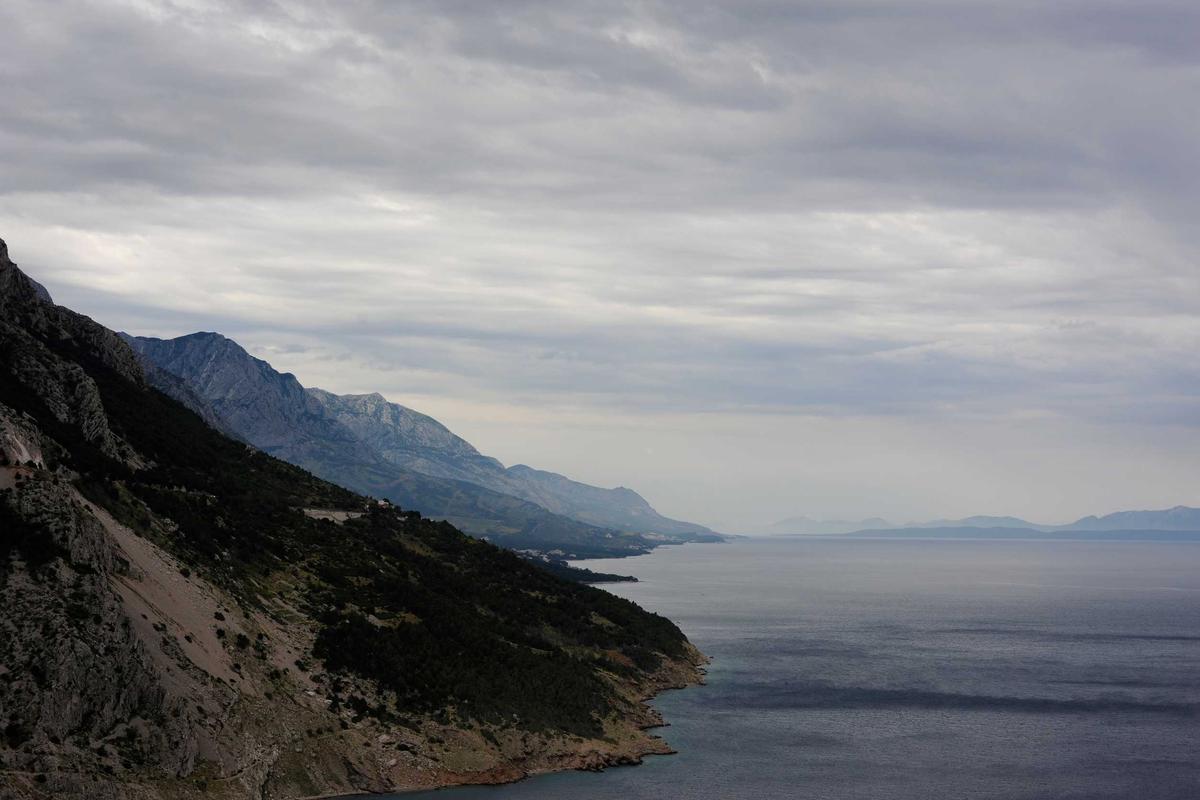
The Strait of Hormuz, a chokepoint for 20% of global oil shipments, is a proving ground for such technology. The waters are crowded, the currents treacherous, and the political tensions high. A traditional rescue operation would have required coordination with multiple navies, clearance from Iranian authorities, and hours of delay. The drones, however, are pre-cleared to operate in a designated ‘safe zone’ under an international agreement brokered by the UK Maritime Trade Operations office. They can deploy without triggering diplomatic incidents.
Critics worry about the militarisation of rescue technology. Vane acknowledges this concern. “Any dual-use technology can be turned to darker purposes. But the British-led framework includes strict export controls and kill-switches that can be remotely activated if a drone is captured. The software audits are transparent and published. We’re building a digital sovereignty around this tech, so it can’t be easily reverse-engineered.”
The rescue has already spurred interest from commercial shipping lines. Insurance giant Lloyds of London is considering premium reductions for vessels that carry these drones. The UK government has announced a further £50 million in funding for the programme, with plans to deploy similar systems in the English Channel and the South China Sea.
For the US crew, the ordeal is over, but the implications of this technology are just beginning. As Vane says, “Every algorithm has a user experience. This one saved lives. Our goal is to make sure that is always the outcome, not the exception.” The Strait of Hormuz rescue may be remembered as the moment maritime autonomy came of age, not as a weapon, but as a lifeboat.