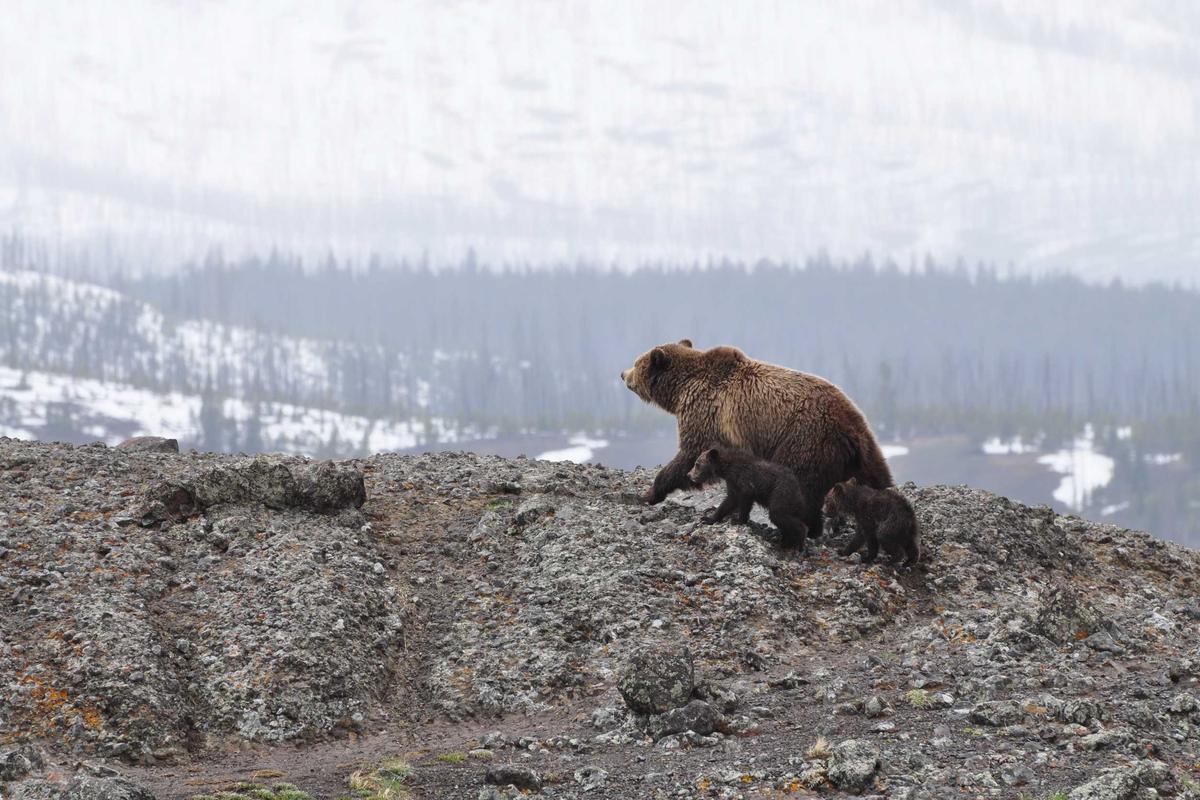
Let us pause, for a moment, to consider the black bear. Not the creature itself, but the panic that preceded its capture. In Japan, a nation that prides itself on order, a bear wandered into a town. Days of chaos ensued. Helicopters, roadblocks, a populace in a state of low-grade hysteria. And then, the salvation: British zoologists, flown in from the quiet halls of Oxford or the damp fields of Whipsnade, advising on humane relocation. One imagines them sipping tea, murmuring about tranquilliser darts and habitat corridors, while the Japanese officials wrung their hands.
Is this not a perfect parable of our times? The modern world, for all its technological wizardry, has lost its nerve when faced with a creature that is merely acting on instinct. The bear was not a monster; it was a refugee from a shrinking wilderness. And yet, the reaction was straight out of a medieval chronicle: the beast in the woods, the terrified villagers, the call for wise men from afar.
What does this say about us? We have conquered nature, or so we think. We have replaced wild places with rice paddies and neon signs. But when a living symbol of that nature appears in our midst, we revert to frightened children. The British zoologists, with their calm pragmatism, represent a different tradition: one that sees the animal, not as a demon, but as a problem to be solved with intelligence and restraint. They are the ghost of a more sensible era, when naturalists like Sir Peter Scott could walk among great apes without a sense of impending doom.
One can almost hear the Victorian gentlemen clucking their tongues. 'The Japanese,' they might say, 'have lost the art of living with beasts.' But that is unfair. The Victorians had their own panic: a man-eating tiger in the Sundarbans, a rogue elephant in Ceylon. The difference is that they had a mythos of mastery. They believed, rightly or wrongly, that the world could be ordered. We, by contrast, are cowering before a midsized mammal. Our panic is a symptom of a deeper malaise: a loss of faith in our own competence.
The bear is now safely relocated, to a forest where it will likely never trouble a human again. The British zoologists will return home, their work done, their quiet expertise once again vindicated. But the lesson lingers. We are a civilisation that cannot handle a bear. What happens when the real crisis comes? When the collapse is not of public order but of the climate itself? We will call for the wise men from somewhere, but they may not arrive in time.
Let us learn from this small incident. Let us remember that the world is still wild, and that wildness requires not fear, but respect. And let us thank the British, for being the ones who still remember how to be rational in an age of panic.