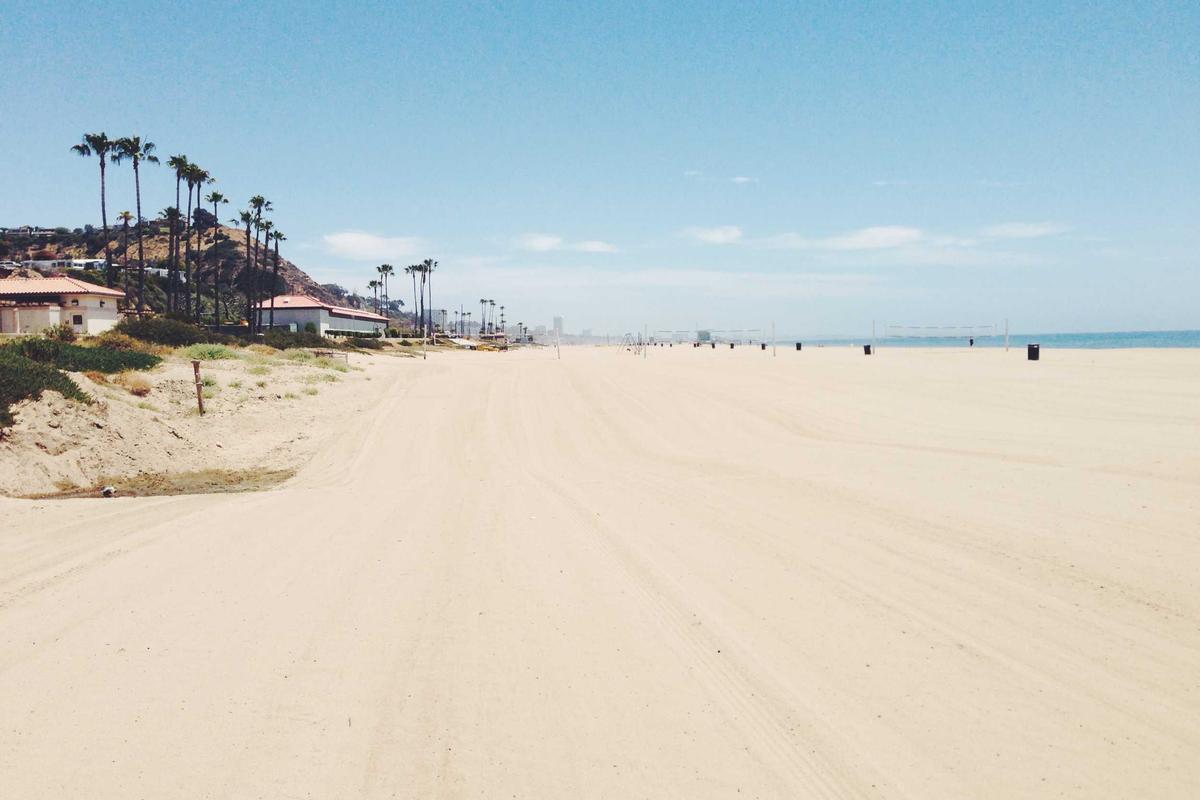
Ah, Sydney. That sun-bleached outpost of empire where the surf pounds the sand and British tourists frolic with the carefree abandon of those who believe the world exists for their amusement. Until, that is, a toothy reminder of nature's indifference arrives in the form of a shark. Yes, a woman—British, naturally—has been seriously injured in an attack at a Sydney beach, prompting the usual safety warnings. But let us step back from the breathless headlines and consider the deeper currents.
We stand at a peculiar historical juncture. The British tourist, that peripatetic symbol of a faded imperial confidence, now finds herself the victim of a creature that predates the very concept of empire. The shark does not know of Brexit or the Monarchy. It does not care for travel advisories or the cost of a return flight from Heathrow. It is an atavistic force, a reminder that for all our iPhones and insurance claims, we remain meat in a watery world.
That the attack occurred in Australian waters is poetically apt. Here is a nation built on the back of British transportation, a colony that grew into a confident, sun-baked cousin. Yet the relationship remains fraught. Britons flock there for the warmth, the space, the sense of a second chance. They forget that Australia is not a theme park. It is a continent of extremes, where the bushfires rage and the sea teems with silent hunters. The shark attack is a brutal correction of perspective.
Let us also consider the response. A safety warning is issued. But what does that mean? The authorities will advise against swimming at dusk, or staying too far from the shore. Yet they cannot tame the ocean. They cannot employ lifeguards with tridents. The warning is a bureaucratic talisman, an incantation against chaos. It reassures us that something is being done, even as the primal fear lingers.
This is the late-imperial condition. We build our beach resorts and our coastal surveillance systems. We imagine we have mastered nature. Then a shark, that ancient predator, reminds us that mastery is an illusion. The British tourist, a scion of the nation that once ruled the waves, becomes a statistic. The empire strikes back? No, the empire is merely reminded that it is not, and never was, the apex predator. The shark does not acknowledge sovereignty.
One thinks of the late Victorians, who delighted in tales of Darwinian struggles. They would have framed this attack as a moral lesson about overreaching. Today we frame it as a tragedy to be managed. But the underlying truth remains: we are not in control. The shark is a philosopher in the water, a critic of human arrogance.
So let the warnings be issued. Let the beaches close for a day. But do not be surprised when the next tourist, heedless or unlucky, is reminded that the ocean is not a swimming pool. It is a wilderness, and in the wilderness, something always watches. The question is whether we will learn the lesson, or merely update the travel advice.