The King’s voice was steady, his gaze fixed on the canvas before him. “A giant of the art world,” he said, “a national treasure.” Not the usual platitudes, not the empty regal nod. This was Charles, a man who has spent a lifetime sketching, painting, arguing for beauty in a world of haste. And the subject of his tribute, David Hockney, lay in his Bradford home, a cup of tea cooling beside him, his latest iPad drawing glowing on the screen. The news had just reached him: the Palace had spoken. But Hockney, as ever, was more interested in the light.
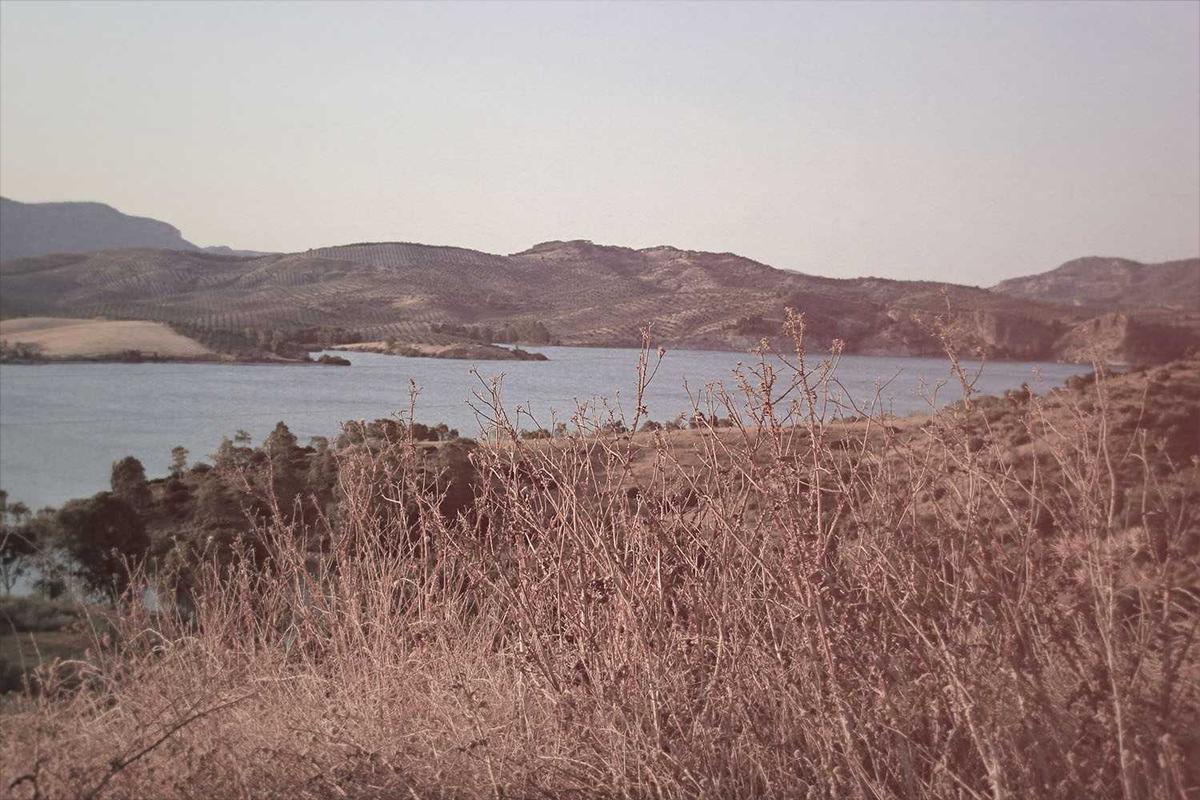
The tribute arrives at a moment when Britain is asking itself what it values. In a year of strikes, soaring bills, and a cost of living that crushes the spirit, a royal tribute to an artist seems almost anachronistic. Yet it is precisely in such times that we look for something to hold onto. Hockney’s paintings, with their swimming pools and Yorkshire landscapes, are not just pretty pictures. They are a record of a particular kind of Englishness: optimistic, irreverent, deeply in love with the physical world. His early work, from the 1960s, captured the thrill of a country throwing off its post-war gloom. His later work, the huge, vivid landscapes of his native Yorkshire, seemed to say: look, this land is still here, still worth seeing.
On the street, the reaction is muted but felt. In a café in Soho, a young woman looks up from her phone. “He’s like the Queen Mother of art,” she says. “Always there. Always colourful.” Another man, older, wearing a paint-stained coat, nods. “He showed us that colour is not vulgar. It is truth.” There is a sense, in this moment, that we are celebrating a man who has made pleasure respectable. In a culture that sometimes feels embarrassed by joy, Hockney is unashamed.
His relationship with the monarchy has always been teasing. He once said the Queen’s face was “a bit like a car bonnet” but then painted her, years later, with a tenderness that surprised everyone. The King’s tribute, perhaps, is a reciprocal gesture: a recognition that the artist, like the monarch, is a figure of continuity. In an art world of fads and shocks, Hockney remains the steady hand.
The human cost of his story is less obvious. He has lived through AIDS, the death of friends, the slow decay of his own eyesight. But his response has always been to paint more, to see more. His recent works, done on an iPhone and iPad, are a triumph of spirit over biology. He is eighty-seven, and he is still arguing for the primacy of the visible world.
What does this tribute mean for the rest of us? It means that at the highest level of the state, someone is saying that art matters. That a painter’s life is a life worth honouring. In a time when arts funding is slashed, when creativity is squeezed out of schools, this is a small but potent signal. It will not pay the rent for the next generation of artists. But it might remind them that they are part of a lineage, a conversation that has been going on for centuries.
The King’s words, ‘giant of the art world’, are true. But Hockney is also something more ordinary: a man who has spent his entire life looking. And in a world that is increasingly distracted, that refusal to look away is its own kind of heroism. The tribute is not just for him. It is a gift to a nation in need of a splash of colour.