Two Italian bodies recovered from a cave in the Maldives. British tourists are missing. The police investigation continues. But let us step back from the grim particulars and ask: what does this tragedy reveal about our age?
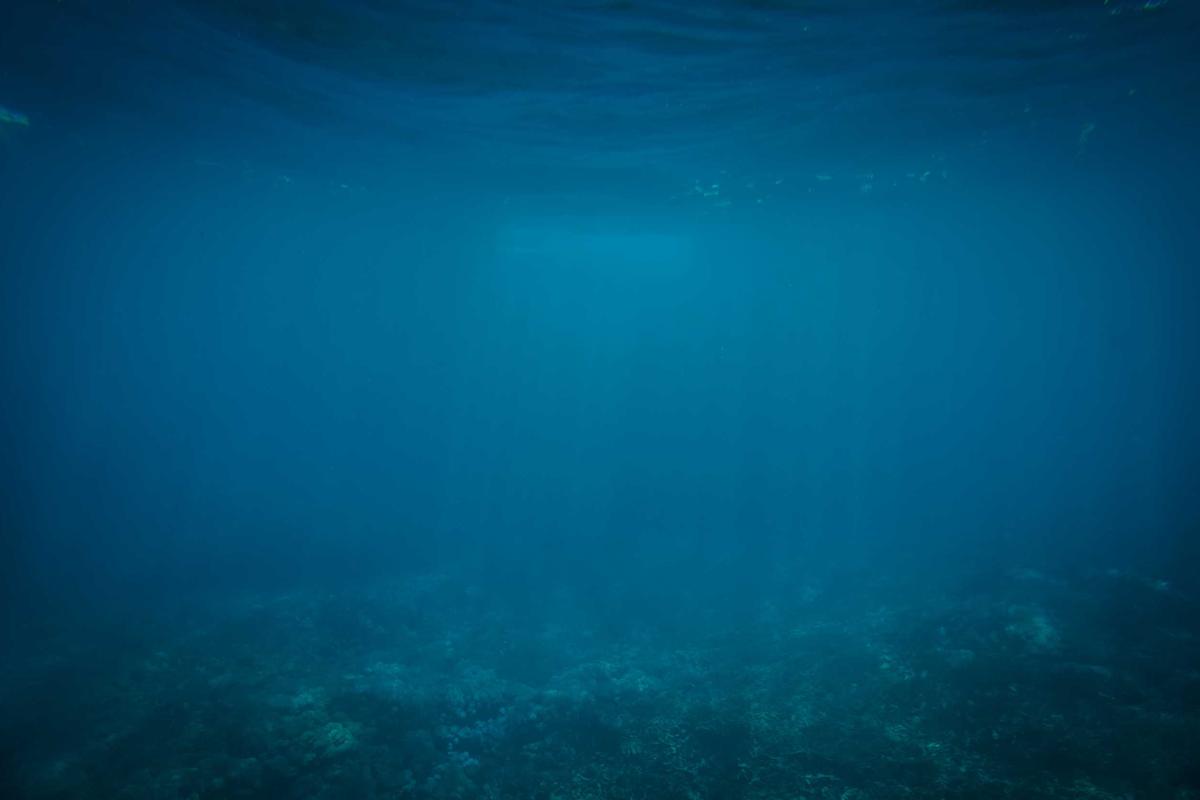
We live in an era of unparalleled luxury travel. The Maldives, a paradise of overwater bungalows and infinity pools, has become a playground for the global elite. Yet beneath the surface of this hedonistic dream lies a darker reality. The same geological forces that created those crystalline waters also carved out treacherous caves, death traps for the unwary.
This is not merely a travel accident. It is a parable of intellectual decadence. We have become a civilisation that worships comfort and sensation, forgetting that nature is indifferent to our desires. The Victorians, for all their faults, understood this. They approached the unknown with a mixture of reverence and caution. They read the natural world as a text, appreciating its dangers. Today we treat it as a backdrop for selfies.
Consider the parallels with the fall of Rome. The late Empire was characterised by a similar detachment from reality. While the barbarians massed at the gates, the aristocracy indulged in lavish banquets and exotic entertainments. They lost the capacity for serious thought, for confronting hard truths. Our obsession with exotic travel as a commodity, with experiences as status symbols, betrays a similar rot.
When a British tourist vanishes in a foreign cave, it is not just a failure of local safety regulations. It is a symptom of a broader failure of imagination. We have forgotten that true exploration carries risk, that the world is not a theme park. The cave did not become dangerous because of poor signage. It was always dangerous. We simply chose not to see it.
The missing Britons are not just names on a list. They are representatives of a civilisation that has lost its way. We have outsourced our judgment to tour operators and travel advisories. We have convinced ourselves that with enough money and planning, we can eliminate uncertainty. But life is not a spreadsheet. Nature will not be tamed by your Instagram account.
This tragedy also raises questions about national identity. The British have a long history of exploration, of venturing into the unknown with a stiff upper lip and a sense of duty. Today we travel as consumers, not as explorers. The difference is crucial. Exploration required humility, a recognition that you might not come back. Consumer travel demands that everything be safe, sanitised, and insured.
What will the investigation find? Probably a combination of factors: inadequate warnings, poor training, maybe a storm. But the deeper cause is our collective refusal to acknowledge that some places are not meant for us. The cave was a tomb before it was a tourist attraction. It will remain a tomb long after the final report is filed.
We should mourn the dead, yes. But we should also reflect on what their deaths say about us. We are a people who have forgotten how to think seriously about risk, about nature, about our place in the world. We have traded wisdom for comfort, and we are paying the price.
The Romans built walls, then forgot why. We built resorts, then forgot what they concealed. The cave does not discriminate. It swallows the reckless and the cautious alike. But the reckless are more likely to knock on its door.
Let this be a warning. The next time you book a holiday to an exotic paradise, ask yourself: am I an explorer or a tourist? Am I seeking understanding or merely amusement? The answer may determine whether you return home.
The Maldives will still be there, shimmering in the sun. So will the caves. They are waiting.