Security lockdowns are rarely associated with basketball games, but when President Trump decided to attend the NBA Finals at Madison Square Garden last night, New York City had to brace for something far more volatile than a buzzer-beater. The Knicks, long the underdogs of the Eastern Conference, were already riding a wave of fan fervour that had local authorities using the word ‘crazy’ in their briefings. But Trump’s presence added a distinct political spark to an already charged atmosphere.
The security perimeter around the Garden was extended three blocks in every direction, with metal detectors, sniffer dogs and plainclothes officers becoming as ubiquitous as hot dog vendors. Locals, many of whom had queued for hours in the hope of a ticket, found themselves funnelled through checkpoints that felt more like airport security than a night out. ‘I’ve been to playoffs before, but this is different,’ said Marcus Thompson, a 34-year-old electrician from Queens. ‘You can feel the tension. It’s not just about the game.’
Inside the arena, the crowd was a study in division. Trump supporters in red ‘Make America Great Again’ caps clustered near the court, while pockets of protesters waved placards reading ‘Impeach’ and ‘Not My President’. The President, seated alongside Knicks owner James Dolan, appeared relaxed, occasionally leaning over to whisper to his host. But for every smile he flashed, the cameras caught a grimace from the stands. Social media, predictably, erupted in real-time commentary that one security analyst described as ‘toxic feedback loop’.
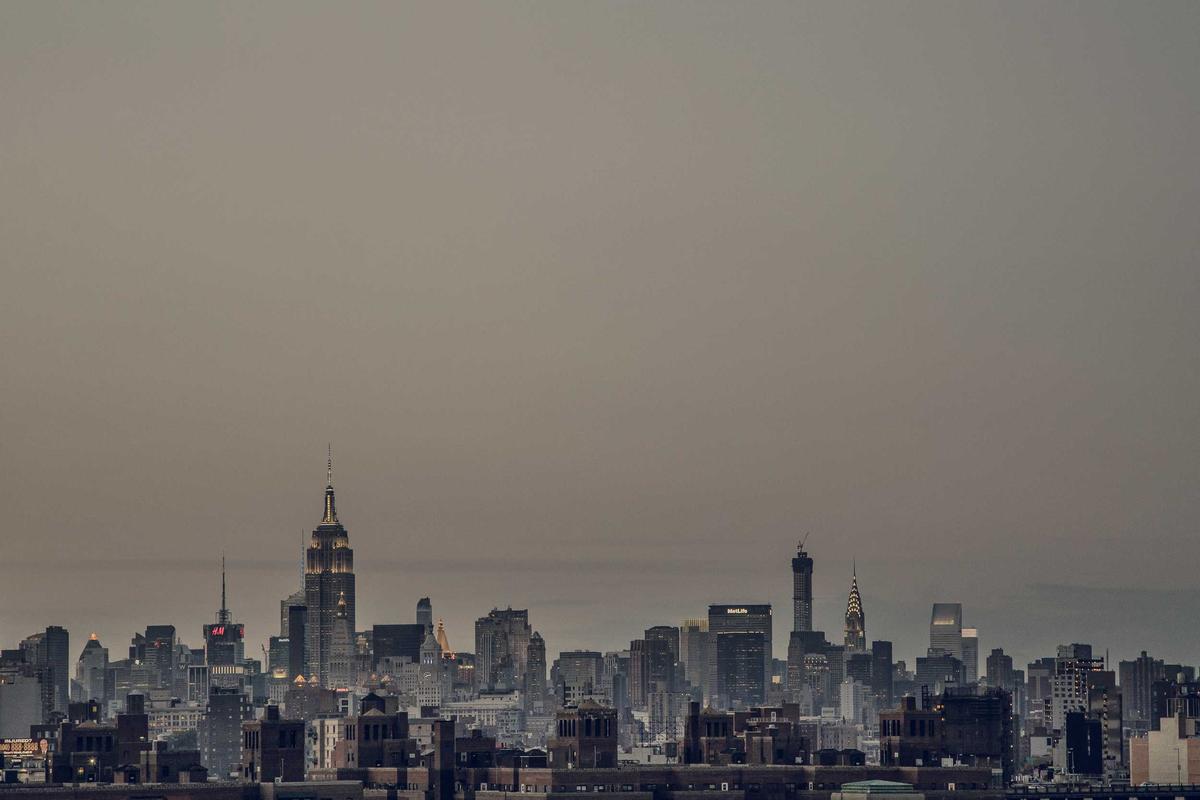
The ‘crazy surge’ the NYPD had warned of referred not just to the Knicks’ improbable playoff run, but to the wave of political passion that had turned the city into a pressure cooker. Bars and delis reported a spike in sales of everything from beer to antacids. ‘People are on edge,’ said Maria Gonzalez, who runs a corner store near the Garden. ‘They argue about politics, then they argue about basketball. It’s the same anger.’
Meanwhile, the Knicks themselves seemed to thrive on the chaos. They won by a narrow margin, their star player Julius Randle sinking a three-pointer in the final seconds. The crowd roared, but the sound was discordant, a mix of joy and political defiance. For a moment, the game transcended sport and became a barometer of the nation’s mood.
Outside, the lockdown continued well after the final whistle. Streets were cleared, and police vans idled at every intersection. The ‘crazy surge’ had been contained, but only just. As the city exhaled, one thing became clear: when politics and sport collide, no amount of security can fully prepare you for the human cost.