A remarkable fossil site in the Atacama Desert of Chile has yielded the remains of at least 40 whales, dated to approximately five million years ago. The discovery, led by a team from the University of Cambridge and the Natural History Museum in London, provides a unique window into a mass stranding event from the Miocene epoch. The findings, published in the *Proceedings of the Royal Society B*, offer critical data on ancient whale behaviour and the environmental conditions that may have triggered such events.
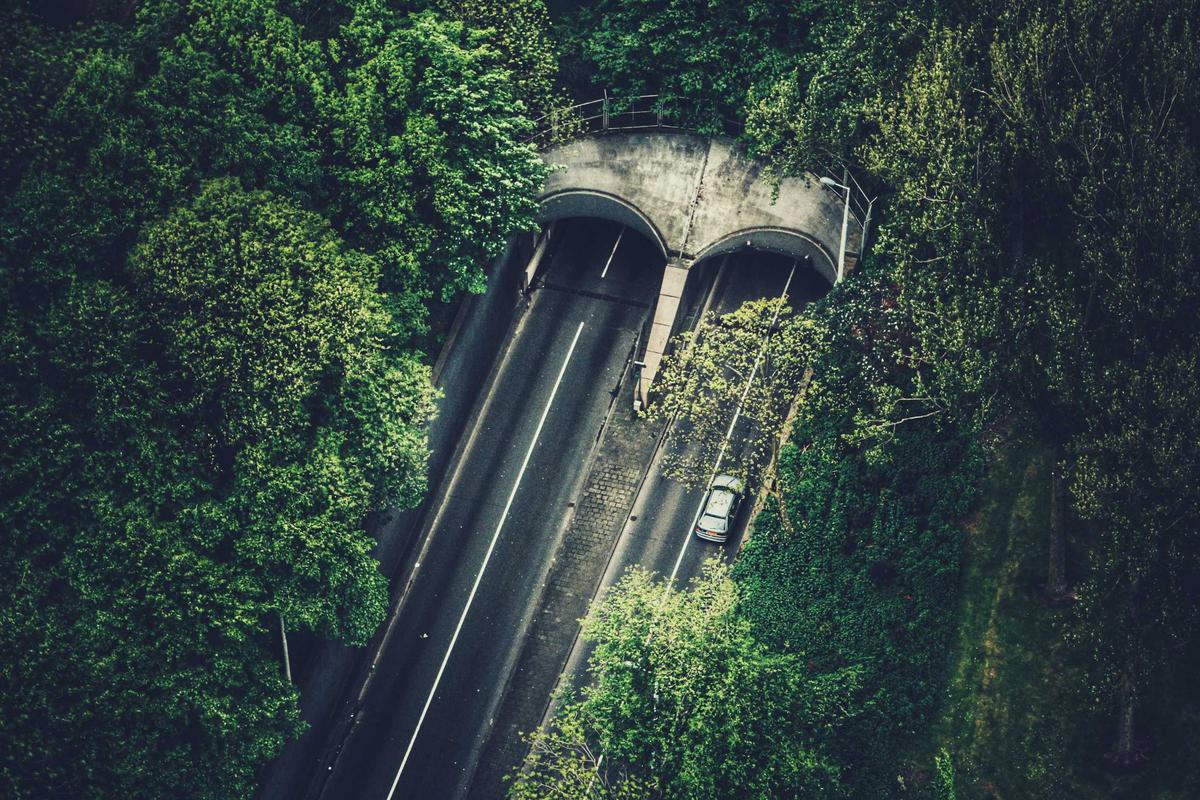
The site, known as Cerro Ballena (Spanish for 'Whale Hill'), was first uncovered in 2011 during highway construction. But it is only now that a comprehensive analysis has been completed. The team, led by palaeontologist Dr. Nicholas Pyenson of the Smithsonian Institution, with British co-authors Dr. David Naish of the University of Southampton and Dr. Sarah Long of the Natural History Museum, has pieced together the sequence of events that led to the death of these marine giants.
Multiple layers of skeletal remains suggest that the strandings occurred in at least four separate events over a period of 10,000 to 16,000 years. The whales, including both baleen and toothed species, were preserved in exquisite detail, some with intact ear bones and even baleen plates. The cause of death appears to be toxic algae blooms, known as 'red tides', which produce potent neurotoxins that can paralyse and kill marine mammals.
This interpretation is supported by the presence of iron oxide nodules and other geochemical markers associated with algal blooms. The pattern of strandings mirrors modern events along the Chilean coast, where nutrient-rich upwelling waters occasionally fuel massive algal blooms. The difference is that the Miocene events were likely more persistent and widespread due to warmer ocean temperatures and higher atmospheric carbon dioxide levels.
'This is a palaeontological smoking gun for the effects of climate change on marine ecosystems,' said Dr. Naish. 'The Miocene was a time of elevated CO₂, similar to what we are experiencing today. Understanding how whales responded then can help us anticipate their vulnerability in a warming world.'
The study also highlights the role of tectonic activity in preserving the fossils. The Atacama Desert is one of the driest places on Earth, and the rapid burial of the whales by sediment from the Andes ensured their exceptional preservation. The researchers used CT scanning and 3D modelling to examine the fossils without removing them from the rock, a technique that reduces damage and allows for more detailed analysis.
Modern whale strandings have increased in frequency over the past few decades, often linked to ship traffic, sonar, and pollution. But the Cerro Ballena evidence suggests that natural factors such as algal blooms have been a threat for millions of years. The difference today is that anthropogenic climate change is exacerbating the conditions that trigger these blooms. Warmer seas, altered currents, and nutrient runoff from agriculture all contribute to more frequent and intense red tides.
The British-led team is now planning to use the data from Cerro Ballena to model future stranding risks under different climate scenarios. 'We are essentially looking into a deep-time mirror,' said Dr. Long. 'The Miocene world was different, but the underlying physics and biology are the same. We ignore these patterns at our peril.'
The discovery underscores the importance of palaeontology in understanding current environmental crises. While often seen as a field focused on the past, it provides essential baseline data for predicting future changes. The whale graveyard of Cerro Ballena is not just a window into an ancient tragedy but a warning for the present.