The noise was deafening. Thousands of fans packed into the stands, their faces painted in stars and stripes or green and gold, united by a single moment of suspense. Then the referee’s whistle blew. The United States had ousted Australia. The roar was not one of triumph alone; it was a collective gasp of a global tribe that, for 90 minutes, forgot its divisions. British analysts, watching from the comfort of studios, did not applaud the scoreline. They applauded something rarer: fair play and unity.
On the streets of Melbourne and Sydney, the mood was sombre but not sour. Australian fans, known for their ferocious loyalty, gathered in pubs and public squares. They cheered the American goals, albeit through gritted teeth. There were no fights, no bitter recriminations. Instead, there were handshakes. A group of Australian supporters, draped in flags, hugged a cluster of American fans outside the Melbourne Cricket Ground. “You guys were better today,” one Australian man said, his voice hoarse from chanting. “Fair play.”
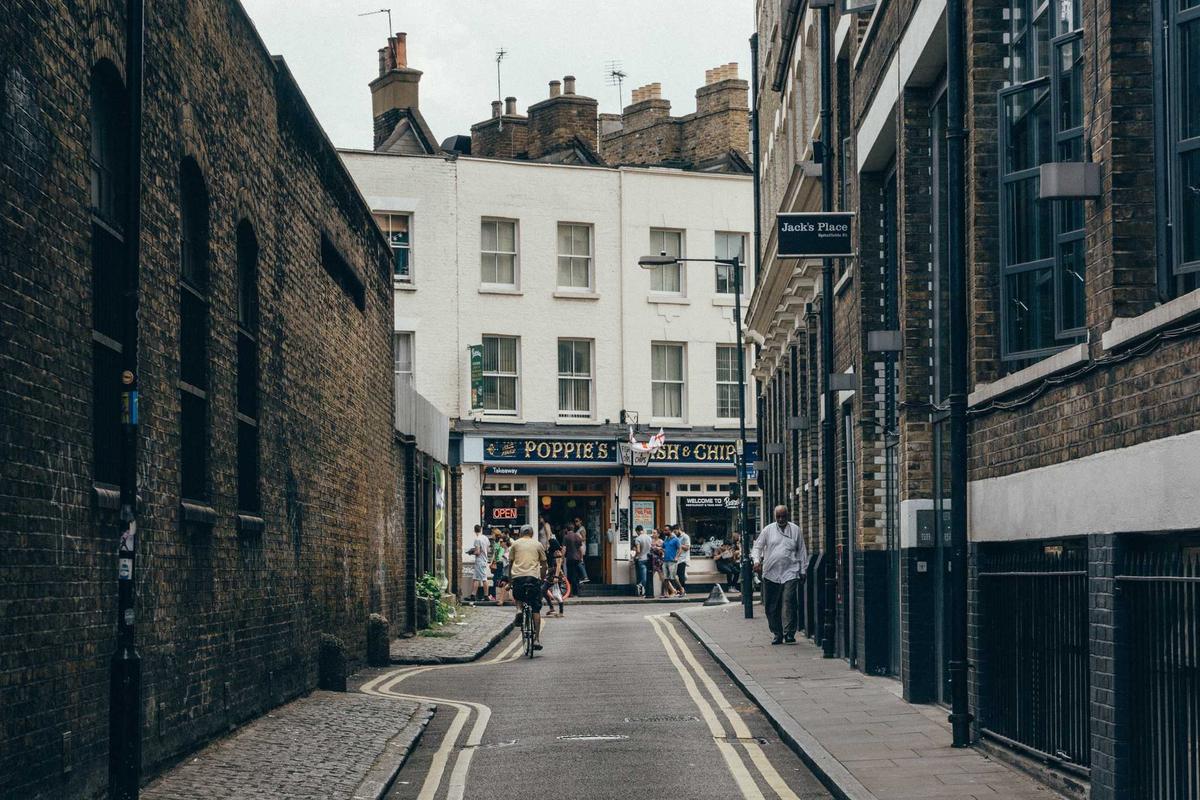
This is the hidden story of the World Cup. It is not just a tournament; it is a social laboratory. For weeks, we have watched nations collide on the pitch, but it is off it where the real cultural shift occurs. In London, pubs that usually host rivalries between Arsenal and Chelsea suddenly found themselves cheering for the same team: the underdog, the victor, the beautiful game itself. The British analysts who praised the match were not just talking about tactics. They were observing a rare moment of civic grace.
Consider the logistics. For three days prior, social media had been a battlefield. Memes, taunts and predictions flew between American and Australian accounts. Yet when the final whistle blew, the abuse stopped. The trending hashtags shifted from “#USA vs #AUS” to “#Respect” and “#WorldCupUnity”. It was a reminder that beneath the surface of nationalism, there is a shared language of sport.
But there is a human cost to these moments too. The players, exhausted and emotional, walked off the pitch. Some were weeping. Australian defenders, who had given everything, collapsed onto the grass. The cameras captured them being helped up by American opponents. It was a gesture that transcended victory and defeat. For the fans who had travelled thousands of miles, the cost of tickets, accommodation and hope had been enormous. Yet as they filed out of the stadium, many said the experience was worth it. “We lost,” one Australian mother told me, her daughter’s face painted with a kangaroo. “But we saw something bigger than winning. We saw character.”
This is the cultural shift that journalists often miss. We focus on goals and records, but we forget that every match is a story of class and community. In Britain, where football is a religion, the World Cup is a rare moment when class dynamics flatten. In a pub in Manchester, a banker and a bricklayer stood shoulder to shoulder, arms around each other, singing the same chants. The game stripped away titles and wages. On the street, people who would never speak in normal life suddenly shared crisps and analysis.
And now, as the US prepares for its next match, the world watches not just for the sport but for the social experiment. Can this unity survive the knockout stages? Will the fair play endure when a controversial penalty decides a match? The answer lies in the hands of the fans. For now, though, Britain applauds. Not because of the score, but because for one night, the world remembered that on the pitch, we are all just people chasing a ball.
The noise has faded. The stadium lights are dim. But in the quiet of the morning, as Australian fans board planes home and American fans book hotels for the next round, something lingers. It is not the roar of victory. It is the echo of a handshake. And that, in this fractured world, is the real headline.