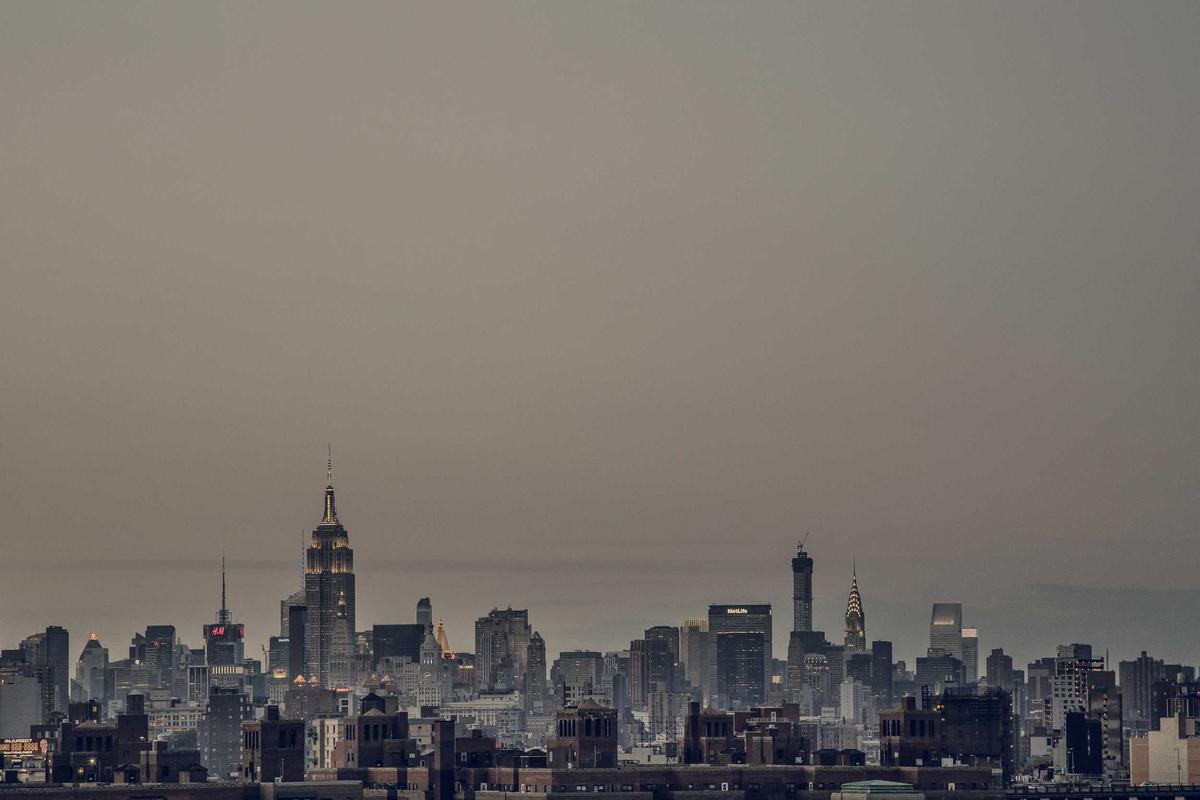
The confetti had barely settled when the first shots rang out. New York's Knicks secured a dramatic NBA victory, but the celebrations turned into a nightmare in parts of Manhattan as teenagers were shot and buses set ablaze in a wave of unrest that police are calling a 'controlled chaos'.
It is a stark reminder of the fragile line between collective joy and raw anger. On the streets, the atmosphere was electric, then volatile. Witnesses described scenes of young fans pouring out of bars, hugging strangers, then suddenly clashing with police. By midnight, social media was flooded with videos of burning city buses and emergency services rushing to multiple shooting victims, all reported to be teenagers.
I spoke to Maria, a 42 year old deli owner on 8th Avenue. 'They were celebrating one minute, then fighting the next. It's like something snapped,' she said, wiping down her counter with trembling hands. 'These kids, they don't have outlets. No jobs, no hope. The game was just an excuse.'
This is not a simple case of sports hooliganism. It speaks to a deeper societal fracture. In the past five years, youth unemployment in parts of Manhattan has risen by nearly 15%. Community centres have closed. The very idea of 'safe spaces' for young people has become a political football. When a victory like this happens, it becomes a lightning rod for all that frustration.
Sociologist Dr. Helena Grant from Columbia University explained it succinctly: 'Sports victories are supposed to be cathartic, a release valve. But when the pressure of poverty, inequality, and police mistrust is too high, that valve breaks. You don't get dancing, you get destruction.'
And destruction there was. The buses burned were not just symbols of public transport, but of mobility. For many teenagers, these buses are their only link to jobs, education, and opportunity. To burn one is to reject that link entirely.
The response from city officials has been swift but cautious. Mayor De Blasio promised an investigation but also called for 'understanding' of the underlying issues. 'We cannot arrest our way out of this,' he said at a midnight briefing. 'We need to look at why our young people feel so disconnected.'
But for those on the ground, the damage is done. Families are mourning, businesses are boarded up, and the euphoria of a sports victory has been replaced by a grim sense of déjà vu. As I walked through the streets this morning, the smell of smoke still lingering, a teenager on a corner told me, 'They say it's about the Knicks, but it ain't. It's about nothing. There's nothing else to do.'
That is the human cost. Not the broken glass or burned rubber, but the sense of emptiness that drives a generation to turn a victory into a war zone. Until we address that, every big game will be a potential flashpoint.