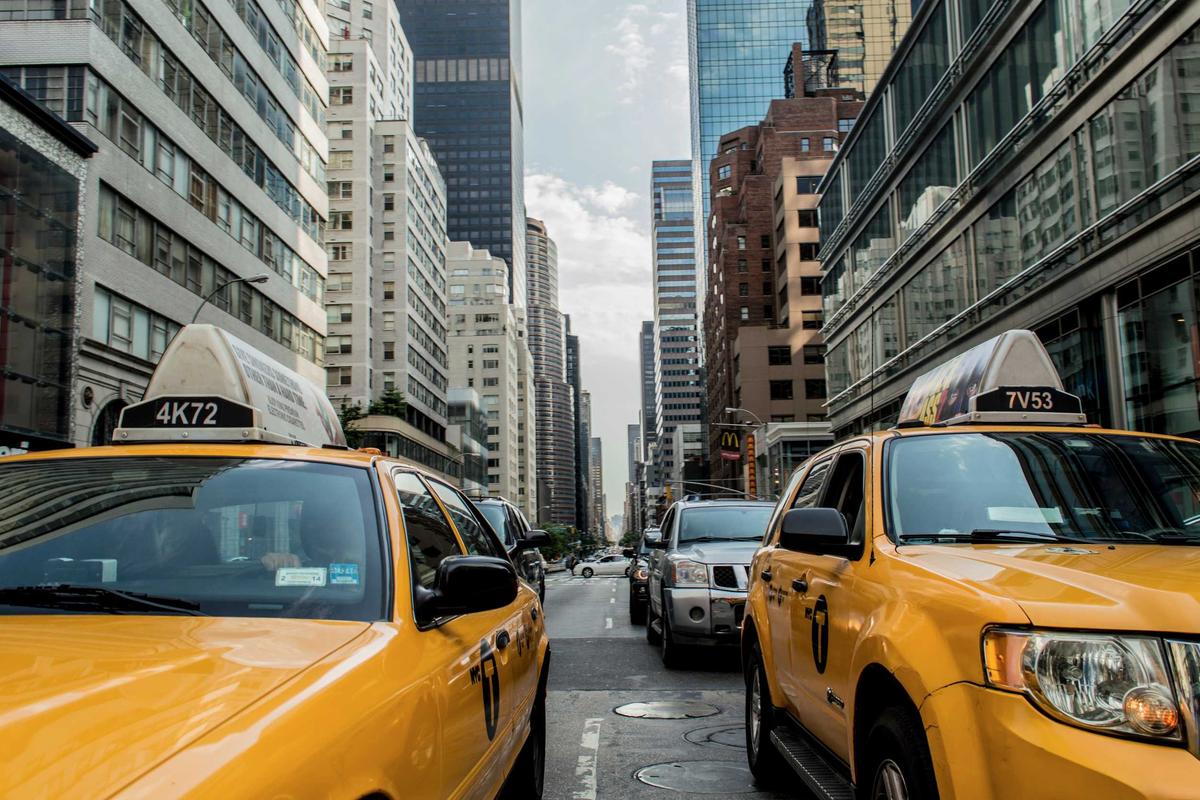
The euphoria of a New York Knicks win turned bloody last night as a teenager was shot and municipal buses set ablaze in a surge of disorder that left Manhattan reeling. For those of us watching from across the Atlantic, the scenes bore an uncomfortable resemblance to the dark comedy of the 2020 summer riots: a sporting triumph, unhinged celebratory violence and the long-suffering taxpayer left holding the bill.
According to preliminary reports, the shooting occurred near Madison Square Garden shortly after the final buzzer. A 17-year-old male sustained non-life-threatening injuries. The NYPD have yet to confirm whether the shooting was related to the game or part of a wider pattern of opportunism. Meanwhile, video footage circulated on social media showed a city bus engulfed in flames, a stark symbol of how quickly order can collapse when the mob takes charge.
The incident has not gone unnoticed in Whitehall. Sources confirm that the Metropolitan Police's Analytics Unit has been quietly circulating a memorandum on the events, flagging the potential for copycat behaviour during the upcoming Premier League title race. One can almost hear the sighs in Scotland Yard: the cost of policing such outbreaks, the overtime, the damage to public property, all of it ultimately a drag on the exchequer.
What is particularly galling for fiscal conservatives is the sheer waste. A Knicks victory is a private good enjoyed by those who can afford the exorbitant ticket prices. Yet the costs of the subsequent civil disorder are socialised across the entire city. The bus fire alone will run into tens of thousands of pounds in replacement and repair, a burden ultimately borne by the municipal bond market. Expect Standard & Poor's to take note.
Critics will argue that one must not conflate a few hundred hooligans with the entire fan base. True enough. But the market for urban safety has an asymmetric risk profile. A single bad actor can impose massive externalities on law-abiding citizens. The UK police are rightly concerned about contagion. Our own city centres are illiquid assets when it comes to social trust, and any hint of a sell-off could be disastrous.
The Bank of England will be watching too. While consumer spending might get a temporary boost from celebrating fans, the real economic indicator is the gilt yield. A persistent rise in urban unrest inflates the risk premium on public debt. If America's urban disorder starts to look like a structural trend, sterling could feel the heat.
In the end, this is a classic case of moral hazard. Professional sports leagues reap billions in revenue while the municipalities pick up the policing tab. The answer is not more funding for social programmes, but a simple market solution: teams should post a bond against potential damages from their fans' celebrations. If the Knicks want to party, let them insure the clean-up.
Until then, the City of London will be watching the volatility indicators. A teen shot, buses torched: the cost of a victory is no longer just the price of a ticket.